Healing Started When She Finally Listened (EP 119)

 Apple Podcasts
 Spotify
 Pandora
 PocketCasts
 RSS Feed
 Overcast
 Amazon Music
 YouTube
 Liz Watt had spent years living what she believed was a healthy, natural life. She cooked from scratch, raised six kids, leaned into natural remedies, and built a life around wellness. Then her body began falling apart in ways nobody could explain. Pain moved through her joints, numbness spread across her back, and everyday life became something she had to fight through.
What I appreciated about Liz’s story is that she does not pretend there was one magic fix. She talks about slowing down, paying attention, changing foods that seemed to trigger her symptoms, and rebuilding her relationship with her body one step at a time. This is a conversation about resilience, caregiving, exhaustion, and the uncomfortable truth that sometimes the person most overdue for care is the one who has been taking care of everybody else.
=== Chapters
- 00:00 Burnout, Health, and a Personal Update
- 02:41 Meet Liz Watt
- 02:59 Be Healthy Utah and Be Healthy Naturally
- 06:55 Liz’s Health Journey Begins
- 12:35 A Life-Changing Cheerleading Injury
- 18:47 Raising a Family Naturally
- 26:50 Homemade Products and Cleaner Ingredients
- 34:05 The Moment Everything Shifted
- 36:57 Removing Food Triggers
- 37:30 Fermentation and Gut Health
- 47:59 Part Two: Purpose, Be Healthy Utah, and THRIVE
=== Guest: Liz Watt
- Website: https://www.elizabethannwatt.com/
- LinkedIn: https://www.linkedin.com/in/liz-watt-22321619a
- Instagram: https://www.instagram.com/lizwattspeaks/
=== Shout-outs
- Dr. Shane Watt, Be Healthy Utah
- LinkedIn: https://www.linkedin.com/in/dr-shane-watt-dc-08994318a
=== Resources / Companies / Books / Podcasts
- Be Healthy Utah: https://www.behealthyutah.com/
- Be Healthy Naturally Podcast: https://www.behealthyutah.com/podcasts/be-healthy-naturally
- Liz Watt Facebook: https://www.facebook.com/lizheals/
=== MUSIC LICENSE CERTIFICATE: Envato Elements Item
- Item Title: Healthy Eating
- Item URL: https://elements.envato.com/healthy-eating-VNN4M4P
- Author Username: CrazyTunes
- Licensee: Marvin Bee
- Registered Project Name: Unhealthy Podcast
- License Date: January 3rd, 2026
- Item License Code: XPFS6HD54W
00:00 - Burnout, Health, and a Personal Update
02:41 - Meet Liz Watt
02:59 - Be Healthy Utah and Be Healthy Naturally
06:55 - Liz’s Health Journey Begins
12:35 - A Life-Changing Cheerleading Injury
18:47 - Raising a Family Naturally
26:50 - Homemade Products and Cleaner Ingredients
34:05 - The Moment Everything Shifted
36:57 - Removing Food Triggers
37:30 - Fermentation and Gut Health
47:59 - Part Two: Purpose, Be Healthy Utah, and THRIVE
[0:16] Hello friends Uncle Marv here and welcome back to the unhealthy podcast the show where we get honest about the habits pressures and, you know systems and stories that can quietly work against our health even when the outside looks successful, and uh today we're going to be talking about something that many people know all too well we're going to start with burnout out and see where it goes because a lot of us are just simply you know tirelessly plugging away plugging away and, uh we hope that it goes away after a good night's sleep but the deeper exhaustion just blah blah blah and we're going to get dig into a little history of our guest um she's a fantastic guest and has a fantastic thing happening out in Utah uh Liz watt is an author a, podcaster a speaker, wellness educator.
[1:12] We can say a lot more stuff and we're going to talk a good bit here.
[1:18] I do want to start with a little bit of a personal update. Many of you have probably noticed the show has not been on its regular schedule, even though there wasn't a schedule, but we were pumping out a lot of shows and we had a little bit of a slowdown. I did give an update that my mother has, she hasn't had a setback or remission, per se, but for those that do know, she is struggling with multiple myeloma. We are entering year number six with that. And while the myeloma seems to be okay, it's everything else that seems to be starting to fall apart. And she's got a little bit of dementia happening, a little bit of pain, a little bit of stuff where she's not healing. She's got a bunch of stuff. They put her on a new regimen, which is an infusion that has now been added to her three times a week dialysis. So it's fun right about now. And if you remember, I'm two hours away. I have another sister that is also two plus hours away and that we have one sister that is there with her. So trying to do all of this while being so far away, traveling on the weekends, that's where my time has gone. So just to give you an update, but the show is going to keep going until something major changes happen in that particular part of life. Still working and still grinding here with the podcast.
[2:41] So let's go ahead and bring in Liz. And as I mentioned, she.
[2:46] Uh, is doing a lot of things. Uh, what I did not mention is that she, uh, actually has her own podcast that she co-hosts with her husband, the be healthy, naturally podcast. And, um.
[2:59] She is the creator-founder of something called Be Healthy Utah, and that is one of the region's largest health and wellness conferences. And I left out the word natural because I think that's pretty important. The region's largest natural health and wellness conference. Liz, welcome to the show. Oh, thanks, Marv, for having me on today. You know, hopefully everything goes well with your mom. I know how difficult that can be when trying to care for your parents. I watched my mother-in-law for 15 months at my house and she was full-time care. And it puts a lot; it's a lot of stress and strain that goes into it. So, yeah, I think the biggest part is there's parents that for some reason, they don't want their children to be the ones that help them. And, you know, they got used to being in control and in, uh, what's the word I'm looking for? Uh, I guess control is a good enough word. Basically, you know, whatever they say was what happened. And as a child, you're not supposed to go against that, but we're at a point in time where now that may have to change. So that's the fun part. Yeah, I get that. That is, that's where we're kind of at with my own mom. Yeah. Because she's, you know, she's 82 years old, and so it starts to, how much longer can she drive for, and how much longer can she drive?
[4:28] Do a lot of stuff by herself now and you know it's it is that it's that transition stage that you go from them taking care of themselves to where now you are taking care of them and, it is a it's a pushback with them also because they've enjoyed their independence for how many years and now it's changing and that is a but yet you want to honor their independence also, yeah you do you don't want to be disrespectful i mean they were the ones that you know gave birth and raised you but at the same time, we all know the cycle of life that you know it we have to return the favor and take care of them uh when the time needs now, we're going way off track here but you know you're a mom of six so yeah um are i don't i know the age of one maybe two but you've still got a couple at home right, i have two at home and i actually have another one that's coming back home on Tuesday because he's been in, um serving a church mission in Mexico in Juarez Mexico okay and he's been gone for two years, and so he's going to be arriving back home coming back to the USA on Tuesday so i will have three of my six kids now at home for the next little bit.
[5:56] Now is he just going to stay until he gets himself situated with his next you know chapter of life or yeah we registered him today for college because when he left he had just graduated from high school, and he didn't do college before and so the college the college actually starts on Monday but he isn't coming home till Tuesday. So he'll be starting college on Wednesday when hopefully he'll be okay with the classes that we registered him for. He doesn't even know, does he? He doesn't know. He just is like, I trust you, just give me some classes. And so we actually went in and got him some classes today and he will be starting college just a day or two after he gets back so wow there's no way i would have trusted my mom to pick my classes not a chance.
[6:55] Oh, so let's, let's kind of, uh, get started here. And I do want to, we'll start real quick with what people know you for. Uh, I mentioned that you, uh, founded this conference, uh, be healthy, Utah. Uh, every interview that I've heard with you, you talk about the origin story of that. Uh, I want to ask the question that goes beyond what you tell people. You tell people you woke up with the dream to do this. Yeah. But I don't think I've heard anybody ask you why, what happened before that dream that made you get to that point?
[7:33] Well, if we, it depends on how far we want to go back. But after I had my second child, my, uh, I started to notice that my body wasn't right. And I was struggling with different things with my health. And, you know, you know, the, the phrase that it's like you put a frog underneath the water and you don't realize the frog doesn't realize that it's being cooked, right? Because it's just a slow thing. And I think that's how it is with our health a lot too, is that we don't realize how bad it actually gets because it just gets worse a little bit by a little bit. Yeah.
[8:15] You know, my husband was a chiropractor and we went to, he went to chiropractic school. We were fully invested into natural health. We decided we wanted to raise our kids in a natural way. I had my babies at home. We decided not to vaccinate. Like it was just, we wanted to be able to have a fully natural health journey with our family and our kids and realizing that our bodies are amazing. They can heal themselves. We just have to give it what it needs. And I actually believe that God provided most of the stuff on the earth to be able to heal our bodies, just like how it had been for centuries. And not saying that medicine is bad at all, because I definitely think it's had its place and I'm actually alive today because of it, you know, but we, um.
[9:11] We just always lived a life that it was like the natural health was actually the standard of care and the medical part was the alternative. And so that's how we just kind of raised our kids. But as we, um, as I started to have more kids and time passed, I started to go downhill, and we couldn't figure out what was happening. I was having inflammation all throughout my body. Um, different joints were flaring up on me all the time. I was struggling with like my pH wasn't, I was, I like soap would burn me a lot of things just because my pH wasn't right. I was getting allergic to metals and I was having gut issues. And it.
[10:03] I had numbness that started on my back. It was about the size of a quarter. And every time I had these inflammation episodes, it's like that numb spot would just grow and grow. And it would feel like I had a part on my back that got so itchy. And then it's just like the skin would die. It just felt like it became numb and I couldn't feel it anymore. And by as the as time progressed, i got to the point where there was days that i was in a wheelchair because my body was so inflamed and my kids if we went places they had to push me in a wheelchair because i could not walk, and there was times also i woke up in the morning and i could not even get out of bed and i would have to call a neighbor to just say i can't get out of bed can you come and get my kids? And it just started to consume my life to where it was these inflammation episodes that I was having. Was back to back. And as soon as it would clear up.
[11:13] In my knee, it would go to my wrist, and then it would go to my hip, and then it would go to my ankle, and then it would go to my back. And in the process, I was still having kids, but by this time, by having my sixth child, I just couldn't hardly even function. And, you know, I was taking a walk one day and I was with one of my friends. We were walking to the park for a neighborhood party. And at every step I took, just every step, it felt like excruciating pain. And she was eight months pregnant. And I just sat there and she was like laughing and just having a fun time as she's walking to the park. And I sat there and I thought, okay she should be the one that's in pain right and, i its but it's me it's like i should be the one that's laughing and enjoying this walk but i was in a lot of pain and i just was like okay heavenly father i can't do this, okay i can't continue to be like this and then i just got those little i just got those words that come to us you know that just kind of penetrate into our heart and to our mind. And it just said, you know, I need you to learn a trait to help and serve others, but you first have to heal yourself.
[12:35] And so that took me on that path of learning something new. Can I ask before we go down the path you went, I heard somewhere that you actually had three knee operations in high school? Yes, I did. Now, I have to imagine, because when you talk about that, it seems as though you had those operations in high school. Everything seemed to be fine until the numbness started. Is that correct or did you have other stuff? Yeah, because in high school, yes, it was a traumatic experience. My two weeks into my sophomore year, you know, I was a cheerleader. I completely tore out my knee.
[13:19] And then when you had knee surgery, you stayed in the hospital for, you know, a couple of days at least. But I ended up having to stay in the hospital for a week because my knee was so destroyed. And he didn't want me walking on it, going home, having any type of a fall. And then five weeks after that, I ended up getting a major staph infection that split open my whole knee. And I had to go back in, stay another week while they pumped me full of antibiotics and cleared it out. I had to go in surgery again, go in, repair everything that needed to be repaired. And I ended up being on crutches for, it was close to six months during that time. It was just a really hard traumatic experience my sophomore year. But then my senior year, I ended up chairing the following year and also my senior year. But four weeks into my senior year, I re-tore my knee again. And so that was a really, really hard time in my life that I experienced later on coming to figure out why I experienced that, and we can talk about that later, but it's.
[14:38] I didn't really have health problems at all. I was a vibrant teenager that did everything that I could, but I did have a knee that.
[14:53] I still struggle to this day with the ramifications of that very first fall that I had. Now, were you the jumper? Because my sister was a cheerleader, and she was never the jumper. She was the one that had to be at the bottom to catch the jumpers. You were the base. I was the base. And so we were doing a basket toss, and that's where you have another girl that's standing across from you, and a girl jumps into the middle of your hands, and you throw them up high. And as she came down, it was our very first time doing a basket toss. It was during practice we were getting ready for the homecoming, the homecoming um routine and it was our very first time doing this uh this type of um a trick i guess you would say right and stunt and we threw her up high and as she came down, she went towards my side a little bit and all the weight just went right through my arms and totally tore out my whole knee and you know at And at that time, I didn't believe, you know, as young, when we're young like that, we just think that we can bounce back from anything. Of course. Yeah. And I, I started to, the coach came over.
[16:15] She starts bending my knee and it just kept on popping. And she's like, why don't you get up and start to walk on it? So I got up to walk on it and it kept on giving out on me. So I was like, I just need to sit here for a minute and see if it's going to go back in. And it never, as I got up to walk on it after, the pain was starting to get a lot worse. And as I started walking, I kept on, just given out on me and so then the coach drove me home but there was nobody at my house and she left me there, by myself and nobody was at my house and my mom ended up you know this is before cell phones of course yeah we had landlines then right that we had to memorize everybody's phone number.
[17:09] But so I was there by myself. My mom gets, comes, gets home like two hours later and I am just on the kitchen floor bawling because I was in so much pain and she had to scoop me up in her arms and take me down to the emergency room. And they ended up figuring out that I had torn my, they at the time just thought I had torn my ACL. They scheduled me for surgery the next morning. And when they went in for surgery, ended up to be an eight hour surgery because it was so, it was just destroyed. My whole knee was destroyed. So yeah, that was a quite traumatic experience to have to go through when you're young like that. Yeah. Wow. Okay. I, I wasn't expecting that big of a knee story. And now I can, all I'm picturing is your coach bending your knee. And I'm thinking of my football coach would have been like, come on, put some dirt on it.
[18:13] Well, that's the thing is I don't think that she even understood what, you know, how, how bad it was, you know? And, uh, I didn't think it would be that bad, but it ended up to be one of the worst, accidents that they had ever had at the school because of how bad it was. So I ended up having to be homeschooled and I mean, it just was not how you want to start your, your high school years. Yeah.
[18:47] All right. So, so you go through that, but then the rest of your time after high school, um, and then, you know, you get married, have the kids and stuff, and you're, you're living what you deem as a healthy life. And I remember you and your husband talking about the fact that you were living a natural life and even you hinted to it here. Uh, what did that look like before you started having the issues. I mean, were you talking about the fact that you cooked fresh meals on your own, no processed food? Where did sugar and coffee and all of that stuff come in?
[19:26] Yeah. So we, I basically cooked everything from scratch. I mean, there was a few things. It's not like we wouldn't go out to dinner sometimes or, you know, we wouldn't grab something here and there, but most of the time I cooked everything from scratch. And then, you know, if our kids ever got sick, so let's say if our kids got an ear infection, that is very common for children to get growing up is to get like an ear infection. Well, I wouldn't take them to the doctor to go get some antibiotics. What I would do is I would saut garlic in some olive oil, and my husband would adjust their necks i would after the after i sauteed the garlic and olive oil i would cool it down just a little bit pour it into the ear massage it into the ear and then, by morning time their ear infections were gone okay so full on that yeah that is like that's just how we did you know it's like, it's more of like, you know, almost like a homesteading, right? Where your medicines are your herbs. And that's just kind of how we looked at things in our life. That was our first defense was what can we do naturally to be able to take care of our bodies? And growing up, our kids never had medications. They just didn't because.
[20:54] We taught ourselves how to take care of our kids in a natural way so the full homeopathic route back then um did you so I m just now so the big herbs in our turmeric uh, curcumin yeah um we're doing the teas with the lemon and honey and all of that stuff so that's, that's another show that i got to talk about how I ve changed you know what i drink and all of that stuff so it sounds like you were doing like yeah like the turmeric, that is really great for inflammation, to bring down inflammation. And, you know, a lot of people that can be like a, even, you know, an Advil, if you're having your turmeric, because it's an anti-inflammatory. And so there's a lot of these different things that people just don't realize that you can have, you know, pink eye. I mean, that was huge for little kids and kids. It just seems like as soon as one kid gets pink eye, then it goes through the whole family right and you know we would just um get an herb called echinacea and golden seal and we'd get the liquid form, and we'd get the liquid form and we would water it down and we would drop it into their eyes now, i you know i bet if you probably googled that or Chad got they would probably say like don't put that in your eye right i was going to say i never i never heard that one.
[22:24] Yeah. So we would put it in their eye and by the next day their pink eye was gone and we would just all put it into the whole family, into our eyes. And, you know, I had a regimen with the kids. It was like, I would do it for, two days and it never came back. And the funny thing is I would have all of these friends of mine that would take all of their kids to the medical doctors and get all of these prescriptions and, and they ended up calling me being like, how do I take care of this? And because I knew, I knew how to take care of it. And it's like, you know, put the echinacea and golden seal in their eye and it will be gone. And it was like; it was gone people. And so they were starting to use my remedies that we had did because these were actually more of like a natural permanent things to wear the medications. They kept on having reoccurring ear infections and reincurring eye infections and all this type of stuff. But we had learned how to actually do it in a natural way that worked with our bodies. And.
[23:34] It worked so much better for us so we ended up being where we were the teachers to a lot of people even though they didn't want to admit it right, now where did that start was that something that you already you've already hinted that your friends weren't the ones that helped you with this so is this something that your families passed down is this something that you just kind of stumbled upon and started doing yourself where did that start, it came from when my husband well, i can't i would say it came from most of it came our thought process about this with my husband go to chiropractic school because, you know you are not in the norm and especially that many years ago he graduated 30 years ago and now it is more, like people are more accepting of it and it's like you're not a crazy person if you go to a chiropractor right but then it was Yeah, I remember.
[24:33] Everybody made fun of chiropractors and the crooked pens and the, you know, the. Yeah, but, you know, like one thing that was great is my husband never had to, talk me into it because I grew up more natural. My mom had, she had 10 kids and five of us were born at home and I was born at home. So it was even then you know and she didn't even vaccinate us until we got into school and ours.
[25:04] Because she just had more of a natural mindset when it came to that. And so when my husband was like, you know, I was, I want to be able to, if we, you know, raise our kids more naturally, I was like, that's how I want to raise my kids too. I, I, I am just great that I would love that to be able to do that. And so we, as he was going through school, we started to educate ourselves on what that looks like. And we would go to seminars and conferences and learning about is what a lot of people probably thought were conspiracy theories, right? Because this is just a different new way of thinking. And a lot of people just kind of looked at their doctor as this is what we have to do. But we decided that we were going to take that into our own hands and we ended up having, you know, hiring a midwife and having our babies at home and not deciding to vaccinate and do all of these things that were more invasive with our children at such an early stage, you know.
[26:18] And we just everyone has their own thought processes when it comes to that but this was just the path that, through our studying and learning that we just decided that this was the path and it worked for us and we ended up having healthy vibrant kids I feel because of the way that we chose to live that way, all right so let me ask real quick before we get back to the path that when you started getting healthy.
[26:50] Before then, you know, were you doing things beyond the food and the herbs? Were you doing, you know, like making your own soaps? Were you, you know, dealing with anything in terms of, um, you know, natural health beyond the food?
[27:08] Yeah, there was different things that we did, but there was also getting into the natural health kind of atmosphere. We were far more looking at our ingredients than the most people. And so there was things on the market that you could get. Now, oh, wow, there's so much natural health stuff out there that people have so many more options. But also at that time, you know, 30 years ago, there was a lot of.
[27:47] If you look at it, like the glyphosates and things like this that are getting on our wheats and how they were trying to do a lot of the killing of the, you know, with the roundups and all that kind of stuff.
[28:02] You could still find that long ago, you could still find things that weren't, just total chemical ridden. And so we would search out, we would search out for those things. And so yes, I made a lot of stuff in my own kitchen. And I, you know, even if you were to go down to my kitchen right now. We just pulled our beehive and I just pulled out, I just got out, you know, three quarts of honey and I'm, I'm getting out my beeswax and things like that because that's what I love to do. I love, I love to be able to create things from this earth and use them on our bodies and stuff like that. And so I was always making like, um, hair gels and, you know, things that I would, I would do it out of like flaxseed and things like that, which is kind of a little different, but I would, that's what I would do is I would just like, look at how is it that I can make this more natural and, I would get in my kitchen and I would, do that. I was always canning. I loved to can. I still can.
[29:20] And so all of the things that were on our shelves, a lot of the stuff were the things that I grew in my garden over the summer and then just pull them out for the wintertime and use them all year long. So yeah, there was, like I said, I was in the kitchen a lot making things from scratch, canning things so we'd have things for the winter and looking at the beauty products to see, you know, what is the chemicals in them, finding the natural things and.
[29:49] You know, not using these lotions and potions that are fully ridden with chemicals, but, using, you know, natural oils and things like that to be able to. Now I, even now my, my skin regimen for my face is I use tallow, you know, that's a beef tallow from the, from the cows. And so that's the fat that you render from the cows and it's spelled that for me. Tallow t-a-l-o-w and so.
[30:26] I mean you can't see me on screen right now but you know I m 53 years old and, my skin looks really good and that i don't put, foundations and makeup all on my face because, i have for my whole life i have been using products on it that you know before i use the tallow I mean I also use you know avocado oil and, and things that are just more of the earth and, Um, it, it, it just makes your skin so much better and softer, more vibrant because you're not putting these chemicals all over on them. And so I have been doing this from a long time ago. And, you know, my friends would, you know, I would make like face masks for them out of, you know, diatomaceous earth. And these are just things that are, a lot of people don't even know what they are, but they're just from the earth. And we can do most of all of our skin products that way. Like I'd make my own deodorant. And the best deodorant that I have ever made is baking soda and coconut oil combined together. And.
[31:46] It is one of the best deodorants that's even out there on the market. I swear by it. That's what I have used for years. and, um so these are like just a lot of different things that i have, natural products that I ve had that I ve used on my skin and create them in my own kitchen all right well that was the type of answer i expected when i asked you how natural were you so uh good for that i do want to make sure we go back to the path but i I m going to say here publicly uh glyphosate, the first time i heard that word was about three hours ago today. You have now said it for the second time in a day. So, uh, I don't have, we don't have time to dig into that and, uh, talk about it, but I'm going to put it on record that, uh, glyphosate. Interesting.
[32:40] Yeah. And you know, people need to do their research on that. And one thing that's really good is even with, um, it's starting to come to.
[32:51] To light about the, how it has affected us and how it affects our microbiome that's in our, in our tummy and with our gut and how it has destroyed, you know, if you think about what does glyphosate do, and I'm not going to go onto a tangent about this, but if you think about what does Roundup do, it kills, right? Well, when it gets on the products, what does it do in your stomach, it kills and so if you have these, we're covered with bugs that's how our bodies are run by bugs with inside of us right it's the good bad, um bug um ratio there because we have good bugs we have bad bugs but it kills and so that's where a lot of us struggle with our helps. And that's why there is so much gluten intolerance, celiacs, and, you know, I'm not going to say that's the only thing, but that is a path that people, they can start to go and learn and for themselves what they want to tolerate and what they don't. We have a lot of studies happening with that and a lot of changes we need to make.
[34:05] So let's circle back and round out the show.
[34:10] On your path, you had just talked about you were walking you were in pain and next to you is this eighth eight-month-old pregnant woman just happy-go-lucky and, uh you were thinking you know this should be reversed, and so was that a turning point for you was that something where you know when you yes that was the moment that i was just pleading with heavenly father it was just as like okay i just cannot, like i can't do this anymore and i just heard those words that came that said i need you to learn a trait to help and serve others but you first have to heal yourself.
[34:50] And I just was like, by this point, my husband had, we had gone down the whole natural route trying to help me because he would always say, how come I can fix everybody else's wife, but not my own. And it was true because everything he did for me backfired. He couldn't adjust me. He couldn't massage me. He couldn't do tens on me. Everything made it so much worse. And so we actually then went to the medical route to see if we could get some help. I had multiple MRIs; multiple doctors look at me. Nobody could figure out what was going on with me. And so I was just was like, I have been trying to heal myself. But the thing is, is that I was asking the wrong question. I was asking everybody else, can you help me? Can you fix me? Right. But I forgot to ask my own body what it needed.
[35:50] And so I got into meditation every single day, every single day. And I would just say, what does my body need to heal today? Because I figured the person that needed the new how my body needed to heal was me. And God, like that's where it came to, right? Because nobody else could help me. And so every day I just got a little piece of a puzzle.
[36:18] Do this, take away this, add this. And within four months, my body restored. And a lot of people want to know what are those things that I did? Because these are all universal things that I know that if people started to do in their lives, their health would change. But at the time, we didn't know all this. And there was a lot of things as I was going down this path that I didn't know for myself until I got that prompting that I needed to change. So what is it that I did?
[36:57] And I took out, I ended up realizing that the gluten, the dairy, corn... Um, sugar and soy were very inflammatory for my body. And so I ended up as I was, you know, this, like I said, this was a four month process, right? But as I started to take away all of those things that were inflammatory in my body, and then I started adding in.
[37:30] Um, fermentation, which I don't know if you know what that is but i only know about it because i watched your video and i heard the term and i quickly looked it up we had heard we've heard the term fermentation before we just never, took it to the level you did.
[37:48] I think well the thing is i had never heard of it before in my life and we had gone on a family vacation and i was just was like.
[37:57] I, we were gone for a week, but my husband could only stay for three days. And so I was there with the rest of the kids for the rest of the four days. And I was just like, okay, Heavenly Father, this is your time to teach me. Like, I just need to be taught, you know? And I was just was going to be going with what my heart felt, like whatever I was being pulled to. And as I started to watch different videos on YouTube for some reason it i was like my, my soul was like you need to learn this and somebody was teaching them how to do fermented ketchup, and i was like why in the world would you ferment ketchup and why would you ferment vegetables like, why would you have rotten and vegetables. Like how was the benefit of that? Right. And so I started studying it and learning more and reading more. And by the time I came home, my husband, you know, those at the same time, he was getting, um, changing his, not changing his practice, but he was adding onto his practice. So not only was he a chiropractor, but he was going down the route of learning what, um, functional health was. And that's where you find what the root cause is of why your body's reacting a certain way.
[39:25] And so he comes to me and he goes, you know, and there's something I've been learning because he was at this time was with a group of doctors all around the country learning about functional health. And he goes, there's one thing they keep on talking about, and I have no clue what it is, but you know how to do this stuff in the kitchen. Can you learn how to do fermented vegetables? And I was like, oh, my gosh. Ding, ding, ding, ding. I have just been totally engrossed at this. I will learn. And so I went into the kitchen and I made a first batch of fermented vegetables. And I just started to have that every day, not realizing really the benefits that come from fermentation. And see, the thing is, is that my body, nobody could figure out what was going on. But as I started to add in the fermentation, what that does is it brings in good probiotics.
[40:24] It's the good bugs that you're bringing into your system. And what happens because of how we eat and stuff like that is that the bad bacteria that's within our bodies, they start to rule over the good bacteria and they start taking over. But as soon as you bring in this good bacteria, the probiotics, it starts leveling out that ratio.
[40:53] And when your body is, when you heal your, when you bring in those good probiotics, then all of a sudden it's like, that can start to flourish and it can keep the balance because we, we have to have the bad bacteria that's within our system. I mean, that does a lot of the breaking down and stuff, but we need to have the good bacteria also there to basically rule the roost.
[41:19] And at that time as when I obviously the bad bacteria was ravaging throughout my system which was causing my gut to become leaky, and so what that means is that when you eat foods, that you don't have tight junctions that are in your gut system your stomach in your intestines. And so when you eat, what happens is little particles of those foods get into your regular body. And, you know, we're supposed to keep all of our foods contained within our, you know, our intestines in our stomach and things like that, in our colon, like everything's supposed to stay in there.
[42:05] But, and it just pulls out the good nutrients, right? But when we have particles that go into our regular system, then that becomes a foreign object. And what happens with our body? Like if you think about it, when you get a sliver that's in your finger, right? What does it do to that?
[42:27] It starts, gets pussy and it tries to push it out because it's a foreign invader within our body. And so when you have things like that, it becomes foreign and it starts attacking it and it tries to get it out. And so this is why our bodies then start creating these, why we start getting sick and why, you know.
[42:51] We start getting, you know, illnesses that we can't figure out. That's because our bodies are attacking each other you know and so, i took out the gluten the corn the flour the sugar the soy all of these things that were and the dairy you know that were not that were inflammatory for me at the time, and but then i needed to heal my gut lining, so how do we heal our gut lining well, the aloe vera is aloe vera 100 pure concentrated aloe vera helps heal your gut lining also bone broth because it has the collagen, and so you know the crazy thing is that probably about 10 years before this see my husband struggled his whole life with having allergies. He could not mow the lawn and be outside without just the nose running, sneezing, all that type of stuff.
[43:58] That's how he was when he was younger. He continued when we were married. And so I had to mow the lawn. And they were just like, all these outside stuff I had to do because he couldn't. But the thing is, is that.
[44:11] As he was growing his practice, he would go to like these fairs, whatever, and set up a booth and work on people to try to get clients. But as he's working on them, it's like his allergies were so bad, he ended up having to take over-the-counter medicine, which he does not like to do, right? Because we just try to do everything natural. And he was listening to this presentation one time, and they said how to get rid of allergies, you take aloe vera juice, this 100% pure, concentrated aloe vera juice. So he ends up, he's like, I'm just going to try it, you know? And so he ends up buying it and taking it, and his allergies went away.
[44:59] But we didn't understand at that moment why it went away. We just thought it was because of the aloe vera. We didn't realize that what the aloe vera is doing is it's healing your gut lining. And so since I took away everything in my system that was inflaming it, then I brought in the products that were going to heal it. And once I was able to heal it, then that is when my body started to heal itself. Right. Because I healed the thing that was causing a lot of havoc within my system, and that was because I had that leaky gut.
[45:41] And so then after that, what I was able to do is start .
[45:48] Then incorporating these foods back into my diet. I was able to have, you know, through that whole process, I realized that I'm actually more sensitive to corn than I am to gluten. And so I try not to have, like, even now, I try not to have much corn.
[46:09] I try not to have much gluten. I try not to have much, you know, dairy and stuff.
[46:13] But I don't limit myself anymore. Like, I can, my body can handle it now because i got rid of the stuff that was causing me to inflame which caused the leaky gut which caused the invaders which then brought on my autoimmune and all of these different things that we have but if we can learn, to how to bring down that inflammation heal the gut then our bodies know how to heal, Let me ask one question to clarify, because most people, when they hear aloe vera, they're thinking the plant out in the yard that they use, when a child or somebody gets a burn and they can take the aloe vera, kind of cut it and then rub it on the arm. Is that the same type of type aloe vera that we're talking about? That is 100% pure aloe vera and you can use that. But what I like to get, though, is I like to get the juice that is 100% pure, concentrated. And you can have two ounces of that a day.
[47:22] Straight or diluted? But you can go and cut off your aloe vera plant and have that. I mean, I have an aloe vera plant downstairs in case if, you know, there's something that happens. But, yes, you can have that. I just like to be able to extract the juices that's from it. And I like to have it where it's concentrated. Gotcha. And so it is, it's, it is, you know, it is derived. The, the concentrated juice is derived from the aloe vera plant. Okay.
[47:59] All right. Well, let's do this. We had previously talked about the fact that we probably would do two episodes and we have already gone longer than most of my episodes. So hopefully this is a good breaking point is we're at the point now where you have begun the healing process. You went through the four months of breaking down stuff and then re-healing and now adding back foods and stuff. So, um.
[48:30] Is this a good point or do you have any other points you want to make sure? The next part then, cause I can get back to the very first question you asked me as why we started the conference, right? Because then this is now going to be more of the administrative part of my journey. Gotcha. Okay. All right. Well, we will do that now, folks. I know we; we talked a lot about our backstory and origin and, uh, that's all great. Uh, I'm going to have, uh, links to her be healthy naturally podcast, uh, link to her website. And let me pull that up so I can give you the right name. Cause if you're in the car, you'll want to hear it. If you can't check the notes, uh, Elizabeth and what.com and, uh, a lot of resources there, but both of those are places where you can go. And then we'll have some more stuff where, uh, we didn't even get to talk about your book, but, uh, we'll try to get that about that too so all right uh Liz hang on a second and I ll say goodbye to our listeners here and then we'll come back for part two folks um.
[49:34] As you heard you know we talked about the personal journey but you know that started the work she does now the experience that shaped her perspective uh on health and uh apparently we're going to learn about purpose as well, so uh in part two we're going to dig a little deeper into uh why she's doing this uh we'll talk about the be healthy Utah conference we'll talk about her thrive framework which we didn't even really get into there. So all of that when we come back in episode two. And let's see here. Well, you heard all the stuff we talked about in terms of being healthy and stuff. And her podcast almost sounds like my closing line. The thing that you can do until next time, folks, is to live healthy and be happy. We'll see you soon. Holla.
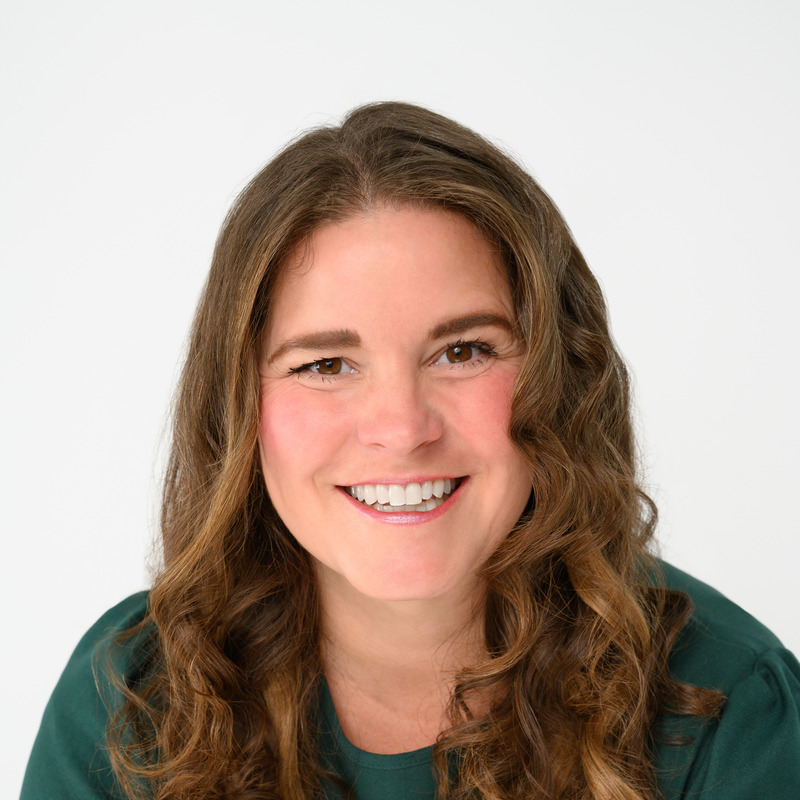
Elizabeth (Liz) Watt is a speaker, author, podcast host, and co-founder of Be Healthy Utah, the largest natural health conference in Utah. Passionate about helping people reconnect with their bodies and inner wisdom, she teaches practical strategies for improving health, building resilience, and living with purpose. Through her speaking, writing, and podcast, Liz empowers others to embrace whole-person wellness and create lasting change from the inside out. She is the author of Becoming Me: A Polygamist Girl's Journey to New Beginnings, a wife, mother of six, and lives by the motto, "Live today to bless others tomorrow."