
The Real Story Behind Picky Eating (EP 118)


 Apple Podcasts
 Spotify
 Pandora
 PocketCasts
 RSS Feed
 Overcast
 Amazon Music
 YouTube
 Mealtime battles can wear a family down in a hurry. You start out trying to serve a decent meal, then suddenly you are negotiating over one bite of chicken, making a second dinner, or wondering whether your child is getting enough nutrition. I sat down with pediatric speech-language pathologist and holistic feeding specialist Lena Livinsky to talk about why picky eating can be more than just a frustrating phase.
Lena shares how her own son’s struggles with food changed the way she viewed feeding therapy. We talk about sensory needs, oral-motor development, gut concerns, breathing and airway issues, nutritional deficiencies, and nervous-system regulation. The goal is not to blame parents or turn dinner into another stressful project. It is to get curious about what may be making food feel difficult for a child, and to know when it is time to ask for help.
=== Chapters
- 00:12 Healthy Without Shame
- 01:18 When Mealtimes Become Battles
- 03:41 Why Picky Eating Is Rising
- 07:49 Understanding a Child’s Total Load
- 10:02 Lena Livinsky’s Feeding Therapy Path
- 14:20 When Feeding Strategies Stop Working
- 17:56 Looking for Root Causes
- 24:30 Building a Better Path Forward
- 26:06 Why Interdisciplinary Care Matters
- 30:23 Picky Eating Red Flags for Parents
=== Guest: Lena Livinsky
- Website: https://lenalivinsky.com/
- LinkedIn: https://www.linkedin.com/in/lenalivinsky
- Instagram: https://www.instagram.com/lena.livinsky/
=== Shout-outs
- Melanie Potock, Feeding Specialist: https://www.linkedin.com/in/melaniepotock
- Beth Lambert, Documenting Hope: https://www.linkedin.com/in/beth-lambert-ma-46246b5/
=== Resources / Companies / Books / Podcasts
- B.L.O.O.M. Framework: https://lenalivinsky.com/
- Munchbug: https://mymunchbug.com/
- Documenting Hope: https://documentinghope.com/
- A Compromised Generation (Book): https://amzn.to/4c8g39W
=== MUSIC LICENSE CERTIFICATE: Envato Elements Item
- Item Title: Healthy Eating
- Item URL: https://elements.envato.com/healthy-eating-VNN4M4P
- Author Username: CrazyTunes
- Licensee: Marvin Bee
- Registered Project Name: Unhealthy Podcast
- License Date: January 3rd, 2026
- Item License Code: XPFS6HD54W
[0:12] Hello everyone and welcome to the unhealthy podcast the show where we have honest conversations about the things that shape our health, often long before they show up in a doctor's office on a lab report or in the way we feel day to day, so i want to take just a quick moment and kind of, talk about what this show is it's not about chasing perfection it's not about pretending that there is one diet one supplement, one workout, or one expert opinion that works for everyone.
[0:46] It's simply me getting curious. It's about asking better questions about the habits, the environments, beliefs, stresses, systems that affect our well-being, and then hopefully finding practical ways to make healthier choices.
[1:02] Without the shame, basically. Um, today's conversation, um, it's going to be a little bit different because for many family, Food becomes one of the first places where stress, worry, and frustration show up.
[1:18] A child refuses certain foods. Mealtimes become negotiations or battles. Parents worry about whether their child is getting enough nutrition. I had that happen this past weekend when I had the niece over, the nephew and his wife over with their newborn, and it was fun to watch. Today, we're going to talk about that stuff. picky eating, feeding challenges, gut health, and all of that. My guest today, Lina Levinsky. She's a pediatric speech language pathologist. I need help with that.
[1:54] Holistic feeding specialist, founder of Living Sky Kids, and host of the Living Sky podcast. Lina, welcome to the show. Thank you for having me. I'm so excited to be here. Well, thank you for coming out and thank you for bringing me a brand new topic to discuss because I'll be honest, I don't think I have ever heard of anyone else talking about nutrition from the point of view that you're going to be bringing to us today. Well, I have like a big, big task ahead of me, so let's give it a try. But yeah, but I do hear that a lot because unfortunately the mainstream advice out there when it comes to picky eating oftentimes is really around waiting and seeing what's going to happen, maybe working on the behaviors, really focusing on the food. And this is also what I learned a lot about in school. So it's oftentimes very well-meaning advice, but what I've learned through my experiences and through my own research and studying this topic extensively.
[3:01] It doesn't work most of the time. So it's weird because I ll be honest i came from the generation of whatever your parents put on the plate you ate, and if you didn't eat it if it was dinnertime it would be waiting for you the next morning.
[3:22] Okay strict boundaries yes yes because parents were like look we worked hard food is expensive and you're going to eat and there was there was no idea of picky eating back then? No. I also think there was a lot less of it, to be honest. Okay.
[3:41] I do think it's quite an epidemic right now, and it's really growing in numbers because it goes hand-in-hand with the chronic disease epidemic that's happening with our kids. And picky eating is not a diagnosis technically. It's just a symptom, symptom of something else happening in the body. And because our kids are getting sicker and sicker, unfortunately, you know, the picky eating is also going up in numbers. So I think that's why probably when you were a kid, I don't know the statistics back then, but I don't think we had as much of it. Like, yes, maybe some kids were a bit like, I don't like this. I don't like that, of course. And I'm sure there was some true picky eaters as well, but I do believe there was a lot less. Well, we didn't have the understanding that we do today about things like celiac disease. I mean, gluten was not a word that I ever remember hearing. And by the time I did hear it, it was one that we, we didn't, it wasn't that we didn't understand it. It was like, oh, you're one of those, you know, sort of like, you know, oh, you think you're special, you know, you can't eat this. And that's how we treated it. And we didn't have, I don't even remember, I think the first time I remember a peanut allergy was.
[5:03] I don't think there were that many, honestly. It was just biologically very different for kids growing up, you know, 10 years ago even, 20 years ago, 30 years ago. It was very different. Unfortunately, the rate of chronic disease is just skyrocketing right now. It's about 60% of kids at this point that have some kind of a chronic issue. Not necessarily, you know, maybe something huge even, but it could be little things, even like picky eating. or it could be things like.
[5:35] Gluten sensitivity, dairy sensitivity. It could be ADHD. It could be eczema. It could be so many different things that are just rising in numbers. And it's quite scary. And, you know, having kids nowadays, there's a lot of things to think about. So can we, I'm already off script here because I'm thinking of, can we kind of identify when this started? Because you just, 60% is a high number. And I mean, my question now is, is that recognized in the health and wellness space as a legit number? I mean, or do we still have people that are like, eh, some of it's in their head, you know? Yeah. I do think, you know, there's definitely people like that out there. We always have the naysayers, but it is, it's actually, you know, it's recognized in the medical community that our kids are unfortunately this sick. I think the numbers for eczema is like one in five. ADHD is like one in 10.
[6:39] Autism rates, they're a bit different in different places. I think in California, one in 16, and then one in 30 country-wise. So it depends. It seems to be geographically based as well, but those numbers are only rising. And we are seeing, you know, more and more kids impacted. It is so hard to send your child to a regular classroom right now and not have some kind of an exemption for a child or, like you said, a peanut allergy. Like, you can't bring anything to school anymore without the worry of maybe somebody getting sick. Like, It's a very different world out there when it comes to pediatrics. Okay. So I'm sitting here in my head, I'm thinking I have two nephews that are on the spectrum.
[7:32] Our family has never considered diet as being a contributing factor. So let me go ahead and ask that question. Can we tie, you know, diet as part of those, you know, environmental things that are contributing to people being on the spectrum now?
[7:49] Yeah, I think it can be a part of it. I think it's very much child-based, but what we have to consider is really the total load. I really love this term, and I learned about it initially from Documenting Hope from Beth Lambert.
[8:06] I don't think she's the one who actually coined it. I can't remember the person who was, but she's the one who I learned about it from because she's been talking about this for years. The total load is essentially the capacity of the child of how much toxicity or... You know, unnatural things, processed things that they can actually handle without having symptoms. So I think of it kind of like a bucket that we fill with different things. And because we live in a very different world right now, we come into contact with about 70 to 80,000 different chemicals every single day. We're indoor creatures now. Most of us are around blue light all day, fluorescent lighting in the buildings you know all of that contributes to that toxicity and to that total load, we're eating so much more processed foods and the air is different water is different so unfortunately all these things they kind of go into that total load bucket and for some kids, adults as well those buckets are smaller so those buckets of tolerance can only take so much and once it fills and it starts to spill over, that's when we start to see symptoms. And some kids who are neurodivergent, you're seeing these types of symptoms of maybe autism, ADHD.
[9:27] There's usually comorbidities where maybe they also have eczema. Maybe they also have asthma. Maybe there's other things happening as well. Maybe they have apraxia of speech, picky eating, and it kind of just stacks on top because their tolerance is so low they can't detox well they can't handle more so you're starting to see these but diet is definitely one thing that can go in a bucket when it is unfortunately limited or unhealthy and we're not eating um like a really good animal-based whole food diet.
[10:02] Interesting now let me ask you this, How did you actually wind up focusing on this? Because I don't remember anyone ever going and becoming a dietician or anything like that and then having a specialty with children. But then I'm also thinking you were a speech-language pathologist. Yes. So which came first? Ah, the chicken or the egg.
[10:32] Um so as an SOP I uh my training in school um.
[10:38] Did include feeding although it was very brief um more of the training I've gotten in school was swallowing based and it was adult dysphagia based uh which is all of it is connected right it's just unfortunately I feel like, most of the programs and I don't know all the programs in the country but a lot of them they really don't focus on feeding. However, we are the go-to professional when it comes to feeding therapy, which make it make sense, but that's what happens. So occupational therapists, speech-changer pathologists, we are the ones who work with feeding.
[11:15] For speech-changer pathologists, you get training that's more oral motor-based and swallowing-based, like I have mentioned. So we learn all the mechanics and the dynamics of a swallow, the healthy swallow, what swallowing needs to look like. We are able to screen for kind of an unsafe swallow that could lead to penetration of food or aspiration of food. And that's something that we are trained to do. We're also trained on oral motor skills that are necessary for eating. And then we also learn how to work with children. And a lot of the training that we get in school is very much language-based, helping kids to develop their language milestones, speech milestones. And there's a lot more nuance there. There's more things that we do. But feeding has always been kind of within our scope of practice.
[12:10] And me personally that's the kind of training I had but I always wanted to work in the medical field of some sort, so I thought that would be working with adults working around swallows maybe cognition, maybe somebody who was post-strokes and had aphasia and things like that that was very interesting to me but as I got into the workforce I started to work more and more with pediatrics. So feeding was kind of my way into that medical aspect of speech transphalology. And I started working at a medically complex hospital for children, and I got feeding training there that was more extensive. I learned a lot. So I started to work with feeding babies and.
[12:58] You know, bottle feeding and starting solids and working with kids who have feeding difficulties. And honestly, the span of ages in that hospital is from zero to 44 because a lot of, yeah, it goes that high because sometimes the adults who continue to need this type of service, where you're working, they sort of are cognitively at the pediatric level. You know, so they might not. Right. So you might have a 30-year-old who is, you know, cognitively at a level of like a 10-year-old or an 8-year-old. So we don't discharge those cases or we didn't discharge those cases because of that to help them continue to get their services. But with that, I got an extensive feeding training and then I continued to.
[13:49] Just take different courses. All of my additional training was always in feeding because I was interested in that from that medical perspective. However, everything I really learned was very behaviorally based. Outside of that, you know, oral motor component, like I mentioned, and swallowing component, everything kind of focused on the food, somewhat on the child. But it was all about how to expand their diet, how to get them to take more bites, and, you know, how to work on these behaviors around feeding.
[14:20] And that was a training I had. And I didn't really think much of it until I had my own son. And my son turned out to be picky. And I tried all my behavior approaches that I learned and I've used for years and years and years. And none of it worked. And of course, you know, I'm the mom too. So there's that relationship that's involved, but none of it worked and it didn't feel right either so i think you have a question there well i was going to say so when you say none of it worked i don't want to gloss over that so.
[14:54] I want to for him at least okay so what did what did mealtime look like at your house yeah lots of boundaries lots of expectations um, Lots of my own frustration because I tried so hard to make it fun and make it playful and expose him to all these different foods. And, you know. And while he was young, like we're talking. Well, he was young. He was, I'll just see at this point, two and something. Okay. So like two and a half. So it was, you know, age appropriate. But at the same time, it was so very much focused on the foods he was eating. It was not focused on him. And the whole child aspect of what was happening. So that's kind of what I did. You know, I really focused on just setting the boundaries, which are important. There is a time and place for that.
[15:52] Exploring the food, which is also important. It's part of my framework. But I was missing everything else when it came to his biology, to sensory needs. I was not versed at all in gut health and what his needs were there, I was missing a very big piece that was very necessary for him to be ready to eat. So he was my greatest teacher. And once I realized that I had this big moment of realization one day when I was just so frustrated with him. He was spitting out food. He would spit out bites, bites of food even that he used to eat and he used to enjoy. And all of a sudden those safe foods would become unsafe again, where he just wouldn't eat them. Things like maybe chicken and avocado, something that was my go-to. And he spit it out. And I remember like, I was just so frustrated in that moment. I was ready to blow again because I was overworked too. You know, I'm a working mom and this is supposed to be my thing that's supposed to work and I'm supposed to fix it and I'm supposed to make it easy and none of it was working. So I was frustrated at him. I was frustrated on myself and I was just ready to blow up. And I looked at him in that moment and I still remember like there was fear in his eyes and his entire body language was just.
[17:13] Everything about the situation was negative. You know, everything was wrong. And it wasn't just me, like fear of me. It was the whole thing. Eating for him was starting to be a very negative thing. And in that moment, I realized like something is wrong. Something is not making any sense. And it started to click because I have already had very holistic mindset when it came to my own health and just my family health in general. But for some reason, until that moment, I didn't connect it to feeding.
[17:46] But after that, I started to dig in. I started to research. I started to look into what can truly be a root cause of a feeding difficulty.
[17:56] And I haven't stopped looking ever since. Now, if you were somebody that was, already trained in this, already had experience helping other people, and you got to a point where you were at a loss, I mean, where did you even begin to look? I mean, I can't imagine you're, you know, you're supposed to be the specialist. Where do you find a new specialty? That is a very good question. I had to just do all of it myself for the most part. There is some therapists and some professionals out there who are really wonderful but look like holistically at things and putting things together. And there was one therapist who got me curious about a different way of thinking around feeding. And her name is Melanie Podock. And I went to her courses.
[18:55] I got some CEUs from professional education courses from her that I bought online. And then I went in person. She was really the first one ever that talked about ARFID. And she talked about the kind of like the model of feeding that we should be looking at. It wasn't even her model, but it was kind of looking at things like physiology, looking at things like sensory difficulties of a child, or a lot of difficulties and behaviors. So she was the first one who has kind of planted the seed in my mind. But it wasn't until my son where I was like, hmm, OK, like now I get it. Like, I understood it, but I didn't really know how to apply this until I lived it. Okay.
[19:42] So for somebody listening right now, they're hearing your story. Are there clues? Because I think, like, I'm thinking back to this past weekend where I'm watching, you know, the kids, you know, they'll just simply turn their heads, say no. But I'm imagining in your situation and in a lot of others, there are other clues. So what are some things that people can look at or look for to help them understand that, okay, it's a little bit more than just, what they may think. Yeah, it's most of it, actually. It's most of the kids. Like I said, picky eating is not a diagnosis.
[20:24] It's very rare to have just a child be a picky eater and nothing else. It's very rare. If maybe they had some kind of psychological trauma around eating, maybe they choked or maybe something happened where all of a sudden feeding is a psychological issue, You know, cases like that do exist and sometimes they need, just a little bit of extra help to get comfortable with eating again. But that's rare. Most of the time, there are comorbidities, root causes that are causing picky eating as a symptom. So whether the child has a diagnosis, whether they don't, like my son doesn't have a diagnosis of anything.
[21:08] He is just a very highly sensitive child. And I passed on a microbiome that wasn't superb to him, even though he was a home birth. He was, you know, he has had no medical intervention since he was little. There was really nothing that is very minimal of what I'm adding to his bucket. But he was born with already a smaller bucket because I passed that on to him because of my own chronic disease issues that weren't addressed before I got pregnant.
[21:43] So, you know, it all plays a role, but I feel like I'm going on a tangent here because there's so much to say, but I do want to say that, you know, with picky eating, it's rarely just like, that's it. Right. Okay. Yeah, we're on a tangent because now you got me. You didn't talk about before about your own issues. I didn't realize that. I didn't realize that now probably because I haven't gone all the way back to the beginning of your podcast, so I haven't heard your whole story. Um, because at first I was just going to talk about microbiome, because that's a word that a lot of people are just now hearing in the last couple of years. Um, but you are also mentioning that you had chronic symptoms and stuff.
[22:27] Were they around eating or did you have something else? No, autoimmune disease. Okay. So when I was eight years old, around that age, I developed psoriasis, which is actually pretty early. Um, to have childhood psoriasis, it usually manifests a little bit later.
[22:44] So I didn't look at it holistically for a long time. When I was a child, I would go the regular way of treatment of steroids and everything the doctor would prescribe. But I stopped that very early in my life. And I started to look for a natural cure because I know that having autoimmune disease, that can later on turn into more diseases. So I wanted to get that under control. And this is really what started me on a holistic journey of trying to heal. And I've been in many wrong places trying to figure it out.
[23:22] But luckily, I have found some really important answers that really applied to me over the last few years that have been life changing when it comes to health. So that also has been, you know, these teachers and these, that information has been something that I have used and learned and applied to my picky eating framework. Okay. All right. But you yourself weren't a picky eater. No, I wasn't. No. Okay. For me, it was the autoimmune. Let's, let's figure that out. Okay. All right. So let's see here. I, I... I'm going to call an audible here and I m going to ask uh, if you would be willing to come back to do a second show with me and i say this here because usually i tell people ahead of time oh yeah we're going to do two episodes so just stay tuned right after this one but we don't have one scheduled for after this so there may be a few more shows but I d like you to come back because i just don't think we're going to get through everything, yeah yeah I d love to this is um.
[24:30] Okay, so let's at least close off the story with your son. Obviously, you realized something was wrong. You started looking for answers. I assume that you found some satisfactory answers and things are better. Yes, much, much better. We're still in the process of working on some things because.
[24:53] It can be very intricate when it comes to like working on airway issues, breathing issues, where you might need to have like palatal expansion and other things done, which is time consuming. But we have, we have worked on many things with him, things like his gut health, which we'll start working on. We have worked on nutritional deficiencies. We have addressed some nervous system stuff, which he definitely needs help with. I'm actually doing an eval with him on Thursday for an occupational therapist who's trained in MNRI and primitive reflex integration. So there's still a few things I want to get done because I feel like that nervous system and breathing is something that we need to address in order for him to just be a healthy, careless kiddo. You know, even though his eating has gotten so much better already, even without addressing those things. Okay. So this all you said was starting around the normal time for him at age two. How old is he now? He is almost five. Okay. So three years you've been going through it. You're obviously better now. Did that work?
[26:06] Kind of push you more into this, trying to understand and teach people about picking eating? Yes. Yes.
[26:15] For sure. I mean, I'm so passionate about this. And I don't know, I feel like it's just something that is so blatantly misunderstood. And unfortunately, with picky eating in general, You know, I do feel that an interdisciplinary approach is the best because I can't take care of the airway issues like I'm an SLP. I can't put in a pallet expender for him, right? I need to go to an airway focused orthodontist or a dentist. If I want to get testing done to see what's really going on, like, it's great to work with an MD.
[26:55] There is a lot of people that could be involved in the care to really, truly get to the root cause of everything. Um, but I, I do feel like, you know, this is something that needs to be understood because I just feel like we are considered the experts in the field. We really are. And I've worked in many different settings and with many different people, and it is so rare to come across a person who truly understands it. So I hope to, you know, spread the message and hopefully train some clinicians moving forward. Okay, because I was going to ask, as soon as you said the word interdisciplinary, I'm like, okay, most of my listeners are going to be lost when it comes to that. Now, they may think about it in terms of holistic and functional, but as adults...
[27:46] But when it comes to their kid, most of them will just go back to their general practitioner and say, hey, help me. And my guess is that most of them aren't going to have any place to refer them
[27:58] and stuff. So, uh, it's a vicious cycle, unfortunately, visually. So let me ask this other than, you know, I'm going to obviously get some people hopping over to your podcasts and stuff, But where is a place that people can go if they suspect, that they're having these issues, that they're frustrated with, you know, picky eating or they're, you know, if their child is spitting back food that they shouldn't be?
[28:26] Where do they go to even get the help that you found? Yeah, well, they can always come and get on a free call with me and I can point them in a direction if I'm not the right provider to work with them.
[28:39] Because I really, it breaks my heart. I have worked with people like that who have just been given the runaround going from doctor to doctor. You know, you go to your pediatrician and you talk about, you know, my child has reflux and like it's impacting their eating. So they're going to get a GI referral and they're going to go to a GI doctor and the GI doctor is going to give them medication for the reflux and we're going to call it a day. And then the picky eating doesn't change because we haven't addressed any of the root causes. And then it just gets worse. So that's just one scenario of what happens. So what I, you know, what I usually offer everybody is just get on a free call with me, we can chat. And if we are a good fit to work together, great. And if you want to hear about amazing doctors who are versed in this, or if you need some kind of direction of where do I go? Because I think my child is a mouth breather. What do I do? Like I can point you in the right direction. So you can get the care for your child that you actually need. Okay. So I want to spend our entire next show talking about your framework that you have.
[29:47] So I want to let people know that when that episode gets recorded and published, you'll want to come back for that. But for people that are listening now saying, okay, what can I do now? Because that's, you know, I hate to leave people hanging, but I just don't want
[30:04] to start that and then, you know, not be able to finish it. So I guess the short version of that question is, what are signs people can look for, and then what are some things that they could probably do on their, own, at least to figure out if they're on the right path? Yeah, that's a good question.
[30:23] Picky eating signs, red flags, are something to consider when it's really lasting a long time. So if your child is really showing these picky tendencies for maybe more than like three months, more than six months, it's not stopping, it's not just like a developmental phase of any form, then I would definitely consider looking for some help there. If your child has a very limited diet, right? So if they're on the so-called beige diet or if they are just very picky and they're just not eating entire, just groups of foods, like they're not eating any meat or they're not eating any vegetables or eating any fruits or they're only eating crunchy foods, you know, that's a red flag for sure. Something to consider that you should talk to a specialist there.
[31:16] If you are very frustrated and you're cooking a different meal for your child every day a meal that you know something different than what you're cooking for your family, probably something to consider as well and there are more but essentially in your gut if you're a mom or a dad you'll know you'll know something's wrong and, it's usually not a phase It's not something they're going to, unfortunately, grow out of, even though that myth is out there. It's very rare for that to happen. So, you know, it's always better to address early rather than later because it's important. It's food. It's automotive skills. It's all these things that are developmentally very important. So it's good to check from the beginning. So I would do that. And does that answer your question? It does. I just want to clarify one thing. Yes. Well, two things, I guess.
[32:13] Is there kind of an age range that you can kind of notice these more than others? Like, you know, from two to four. Because I know some kids that, you know... They will only eat sweets or they only want, you mentioned, you know, the crunchy stuff like chips and stuff like that. Most people that I've seen in that situation don't, they just let it happen. They're like, oh, well, but is that, is that, is that an age range where you should start really paying attention to that?
[32:48] Well, kids have this like amazing period of development up until the age of like 18 months where they're open to trying any flavor, any texture, anything really. So sometimes when that period ends and they're starting to eat more salads and they're starting to rely less on milk from that age of like maybe two to three, they could be a little bit picky as they're growing their diet and expanding. Um however i don't think it should be so severe uh, to a point where they're just eliminating an entire food group or like you said they're only eating crunchy chips or they're only eating cookies and things like that and craving uh huge amounts of sugar because that's a red flag for sure so maybe they are some picky where they're like I m not going to eat broccoli at dinner I m not going to eat this meat because this looks weird um but the next day they're eating a regular meal, I think that's okay. But when you're having these extremes is when I would kind of worry. But, you know, picky eating can happen even in kids who are just learning to eat or they're just growing up. But usually after a certain age, like it's definitely something to. But they should give it some time because some kids will go, some kids will get to a thing where they only want to eat ice cream for a little bit, but they should monitor it.
[34:13] And of course, see if like maybe it's just a certain time of day and then they'll eat fine other times of the day okay, and after an illness usually their appetite dwindles like let's say your child had the flu or a stomach bug or something it's normal for them to take like a week or two to get the regular diet okay when it's like really prolonged that's when i think uh it needs to be addressed okay.
[34:38] Yeah. All right. Well, Lena, thank you very much. And thank you for indulging me in all my questions, diving into your own personal stuff, even though that wasn't on the list. But I look forward to having you back and digging a little more into this. And I think a lot of people will be interested. Oh, good. I'm glad. Yeah, I could talk about this all day. So I'm looking forward to coming back. Okay. So I obviously did not do a good job. I didn't talk about your website. I did mention the Live in Sky Kids and the Live in Sky podcast. I'll have links for those in the show notes.
[35:17] Lina Levinsky is your website. Yes, linalevinsky.com. So people can go there and find you. And of course, we'll get you back on here for another show somewhere down the road. Yeah, looking forward to it. Thank you for having me. All right. Well, folks, that's going to do it. Uh, I want to say thank you to Lena. That, uh, sounds like one of those discussions that, um, is so important that we, we focus on kids early and, and understand what they're going through. Um, of course, you know, big takeaway when a kid struggles with food, the answer, uh, is rarely, you know, more pressure, more bargaining. Sometimes we got to look at, see what's going on with their body, their nervous system, oral motor development, something I had never thought about, sensory experience or anything like that. So next episode that I get her on, we're going to unpack her approach. We're going to go deeper into her bloom framework. And we didn't get into that, but we'll break down what each parent, what each part means and how they work together. be sure to un-
[36:28] I need to write this down so I can get my pitch down there. Be sure to follow or subscribe the Unhealthy Podcast so you don't miss that conversation. If today's episode helped you see a child's feeding struggles in a new way, share it with another parent, grandparent, educator, whatever. Lena, thank you for being on the show. Thank you for bringing compassion, experience, and practical wisdom to the conversation. That's going to do it, folks. We'll see you soon. And until next time, be sure to live healthy and be happy.
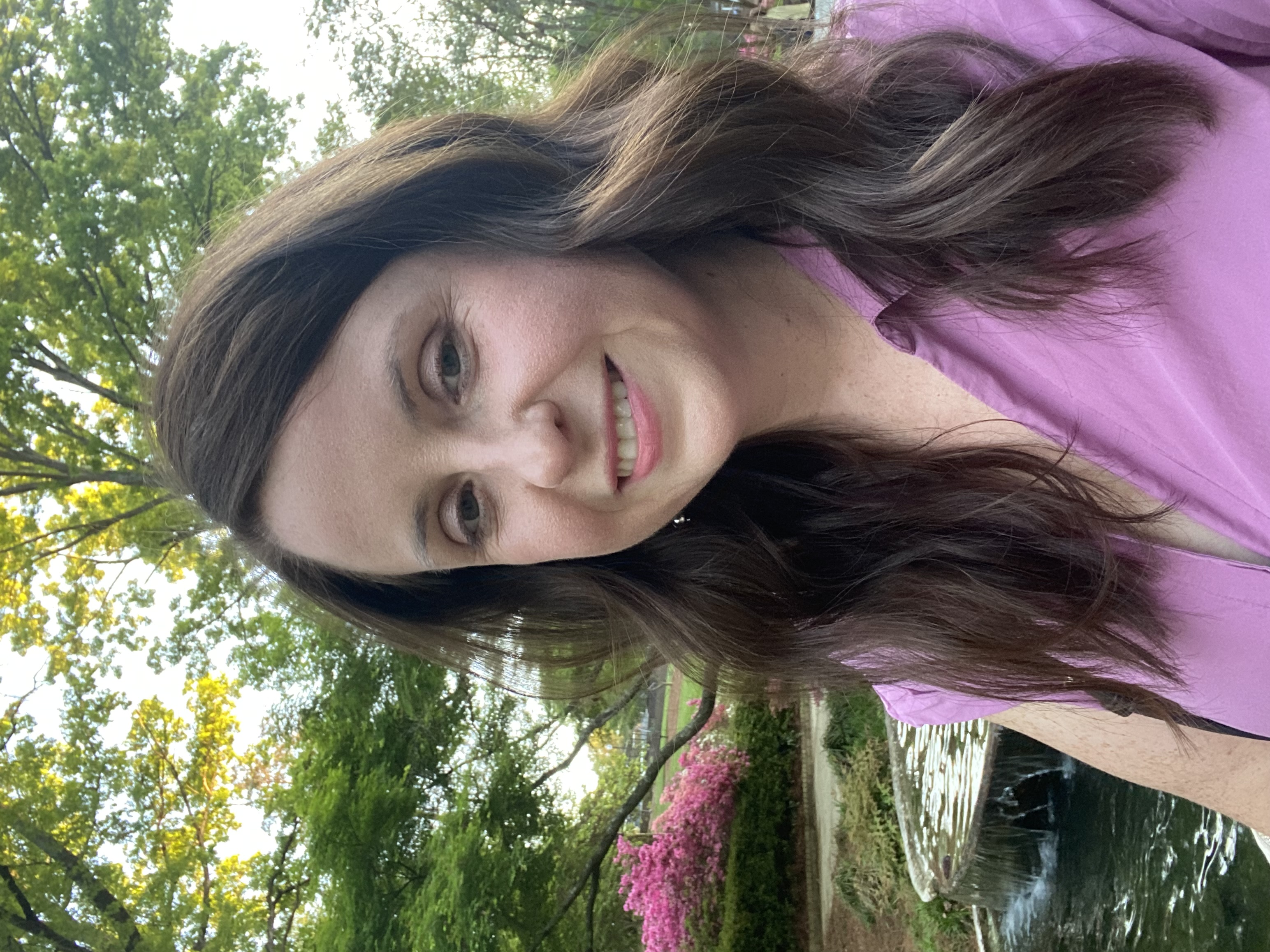
Feeding Specialist/Speech Language Pathologist
Paulina “Lena” Livinsky, M.A., CCC-SLP, is a pediatric feeding specialist who helps families uncover what may be driving their child’s picky eating. With over 14 years of experience, she combines clinical expertise with a whole-child approach to help parents find clarity, pursue the right support, and feel more confident at mealtimes.