Rethinking “Good” And “Bad” Foods (EP 102)
Jessica walks us through a different way to think about food: not as “good” or “bad,” but as part of a bigger picture of your actual life, history, culture, and emotions. If you’ve ever tried every diet, still felt broken, and wondered “what is normal eating, really,” this one is going to hit close to home.

 Apple Podcasts
 Spotify
 Pandora
 PocketCasts
 RSS Feed
 Overcast
 Amazon Music
 YouTube
 This episode is for anyone who has ever counted calories, tried the next “miracle” diet, or gone to bed mad at themselves because of what they ate… or didn’t eat. I talk with registered dietitian and eating disorder specialist Jessica Setnick, who has spent decades in the trenches of those hard conversations, about why so many of us feel like food is running the show and why “I’m fine” usually translates to “feelings I’m not expressing.” We start with that little word fine, move into the awkward “so what do you do” conversations about being a dietitian, and quickly land in the uncomfortable truth that a lot of what we call “healthy” is shaped by culture, social media, government, and marketing long before we ever sit down to eat.
Jessica breaks down why there isn’t one “normal” way to eat and why those neat little plate diagrams and public health messages can actually make us feel more broken, not less. She explains how the same tools used to help people with full-blown eating disorders can help the rest of us who are “just trying to eat better” but keep getting stuck in the same cycles of rules, rebellion, and regret. We get into intermittent fasting, processed food fear, and the way people brag about their diets as if food has become their whole personality, and she doesn’t hold back on what’s actually harmful versus what just sounds good on TikTok.
Chapters
- 00:28 Fine Means Feelings Unexpressed
- 04:38 Dietitian at the Dinner Table
- 07:03 Glutening Over Identity
- 10:55 What Really Counts as Disorder
- 13:06 The Myth of Normal Eating
- 18:12 Finding a Career in Eating
- 22:28 Healthy Diets and False Bragging
- 28:33 Rebuilding Your Food Relationship
- 35:52 Night Eating and Old Habits
- 41:35 Rethinking Healthy Eating
=== Guest: Jessica Setnick
- Website: https://www.jessicasetnick.com
- LinkedIn: https://www.linkedin.com/in/jessicasetnick
- Instagram: https://www.instagram.com/understandingnutrition
=== Resources / Companies / Books / Podcasts
- Understanding Nutrition: https://www.understandingnutrition.com
- Healing Your Inner Eater: https://healingyourinnereater.com/
=== MUSIC LICENSE CERTIFICATE: Envato Elements Item
- Item Title: Healthy Eating
- Item URL: https://elements.envato.com/healthy-eating-VNN4M4P
- Author Username: CrazyTunes
- Licensee: Marvin Bee
- Registered Project Name: Unhealthy Podcast
- License Date: January 3rd, 2026
- Item License Code: XPFS6HD54W
=== About the Unhealthy Podcast
Hosted by Marvin Bee (Uncle Marv), the Unhealthy Podcast dives into real conversations about health, wellness, and everyday habits that impact how we live, work, and age. From nutrition myths to stress management and tech-life balance, Uncle Marv brings humor, insight, and honesty to every episode.
- Visit our website: https://www.unhealthypodcast.com/
- Connect on Facebook: https://www.facebook.com/iamunclemarv
- Connect on LinkedIn: https://www.linkedin.com/in/marvinbee/
Follow and Subscribe: Stay updated with new episodes every week on Apple Podcasts, Spotify, YouTube, and more. Join the conversation about real-life health, fitness, and personal growth from the lens of an everyday guy striving to be healthier.
[0:19] Hello, friends. Uncle Marv here with another episode of the Unhealthy Podcast,
[0:25] where we're not here to pretend everything is fine. We're here to talk about the stuff most people avoid, all those unhealthy habits, relationships, especially when it comes to our bodies, our food, and the stories we tell ourselves about being healthy.
[0:45] Today it'll be a little interesting if you've ever tried to eat better counted the calories all of the rules and still ended up feeling like food is running the show well i think this episode is going to be for you my guest today is jessica Setnick a registered dietitian and eating disorder specialist who has spent her career in the middle of those hard conversations, helping both everyday people and professionals trying to support them. So, Jessica, welcome to the show. Thank you. And I heard you say we're not going to pretend everything's fine. But do you know what fine stands for? There's two acronyms that sell fine. Yeah. Well, one is, depending on what you prefer for the F, I'll just say freaked out, insecure, neurotic, and emotional. And then the other one is feelings I'm not expressing. So whenever someone says, I m fine, I'm fine. I just think feelings I'm not expressing. Okay, we'll come back to that later. I'm pretty sure. Ah, we are. So I've heard, segue automatically right out of the box here. I have heard there's some ads going around on the social media that are telling everybody, you should no longer answer a question with people asked, how are you doing? Can't answer with a fine anymore.
[2:08] I think that's great because it's meaningless. But I will also caveat that, you know, there's ones, twos, threes, and fours, right? There's people that you could call in the middle of the night to, you know, the dead body friends. And then there's the mail carrier. I think it's still okay to say fine for the mail carrier. They don't get to know all your personal business. So I think you do have to kind of discern who you're talking to because they don't actually probably really want the whole story. But everyone else, I think, depending on how close you are with them, can get a different version of the story. So this is going to. People that know me are going to comment on this, I know. OK, I can't wait. I actually prefer people say fine. Because a lot of times I don't want to hear. It's one of those things where, you know, I want to be polite and ask, how are things going? How's your day? but I don't want to sit there for five minutes to hear about whatever is blowing up in your life. And that's, I, and that's sad and self-serving. I know, but sometimes I'm okay with fine. We just lost your video. We lost your audio. I lost your audio. All right. I'm going to pause here.
[3:27] How about now? Is it back on? No good? Yep, it's back. Okay. Here I am. Sorry. That was crazy. Okay. So you don't want to know the gory details, and that's okay. That's why it's good for everyone to have a soundbite that they give to those people who don't really want to know. But here's my thought for you. If you think you're with someone who's going to tell you more than you want to know, why don't you not ask them how are you doing? Why don't you just say something like it's great to see you and then you don't even open the door for it yeah but sometimes you don't know sometimes you're just you know you're sitting next to somebody you haven't seen them you know you don't know them and you ask hey you know you say hi how you doing all right and then you know politely how you doing well i think that's where you don't want to open the door Marv you gotta come up with a soundbite like it's great to see you gotta go or um you know how about that football game you gotta you gotta drive that conversation away no i don't even talk sports anymore because sports people are the worst.
[4:39] Oh well that's interesting try being a dietician i don't tell people I m a dietician anymore that's for sure okay so there's a good place to start just like i don't like telling people what i do for a living because people think that I can, you know, fix their home computer all of a sudden. So let's talk about the fact that, you know, that's something that you've decided when you meet people, you don't tell them you're a dietician. Let's just start there. Why? I don't. Because they say, oh no, are you judging what I'm eating? And I've learned to say, people pay me big bucks to judge what they're eating. I don't do it for free on Saturday night.
[5:20] But that's just sort of my punchline, right? Because the truth is I'm not judging anybody's eating. I don't have any idea what someone's needs are or what they're doing. That's what people don't realize is that we dietitians have to ask a lot of questions before we make any assumptions about someone's eating. And so it's very interesting that that's what people think. Or maybe that's just their comment trying to make conversation. And so I just avoid that by not saying I'm a dietitian. And I just say, I help professionals help people with eating disorders. And that somehow seems to be okay. And then sometimes people will tell me about a family member or a friend with an eating disorder or their own eating disorder. But I mind that less because it's not judgy about me. Like, oh, you're judging my eating. You're watching my eating. It doesn't draw a wedge in the relationship. If they're legitimately asking for help, I don't mind trying to help. I'm not going to have that conversation at a cocktail party, but I will let them know where they can call me and I can give them more information about how they can help or who can help them in their area. But, yeah, I do not say I'm a dietician. People would immediately launch into, what do you think about this diet or what do you think about this? And to me, I just don't have enough context to answer those questions. So, and by the way, they probably really don't want to know what I think about those diets either. So my first. Kind of like fine. Yeah. So my first thought was that people...
[6:41] Probably don't want to know because they feel insecure about what they're eating because they know they should be eating better, but, you know, they're not. And they feel like they have to explain, oh, well, I don't eat like this every day, which, to be honest, you probably do.
[6:59] And so. Well, and the thing is, here's the thing. I really don't care. Like, I really believe in autonomy. I really believe people should eat what is best for them or best for them in the moment. It's interesting to me, though, how much people want to talk about it and how what they talk about is not always congruent. So just as an example, I remember sitting across the table from someone at my friend's birthday party, and he kept asking the waiter, is this gluten-free, is this gluten-free, is this gluten-free, telling me all about how he does gluten-free and sugar-free and all these things, you know, to lose weight, which he didn't appear to me to be a person who needed to lose weight anyway, so that's always a concern. And it just seemed to really preoccupy his mind. And then when the chocolate cake came out, who was the first to get a big slice of chocolate cake? I did not hear him asking if it was gluten free or sugar free, which I guarantee you it was not. And to me, that was kind of an integrity issue. I don't care what he eats. If you're going to tell me how much you adhere to these special diets and then right in front of me, violate them, that to me, I feel like why not have the decency to at least adhere to the diet that you claim to follow in front of other people? And then if you're going to violate it, do it at home and private. I don't think that's ideal either, but it's interesting how someone can make such a big deal about the special diet they're following and then clearly not be following it. I find that to be sort of a mental trick that people play on themselves. Yeah. Can I ask another sidebar question? Because you brought that up.
[8:26] I've had people on the show that are truly, you know, celiac and, you know, do have issues with gluten. And someone like you just described who, you know, listen, I can't, obviously you or I don't know for sure how far they are on the spectrum with that. But a lot of people are using some of these diets as social measuring sticks, you know, oh, I'm gluten-free and they're nowhere near needing to be gluten-free. They just jump on that. So social media society has kind of gauged a lot of how we eat. Uh, how much is that messing us up?
[9:11] Well, here's the thing. Like I said, I totally believe in autonomy. I even believe in preferences. If you just don't like the word gluten, it's okay with me that you don't eat it. You don't have to have celiac disease to not eat gluten. It's just the fact that if you say that you're doing this and then you eat gluten right in front of me, what kind of conclusion am I supposed to draw? Because it doesn't make any sense. That's what I'm saying. Okay, gotcha. I think there's lots of people who avoid lots of different things. I really don't like mushy textures with lumps in it. And so I don't think I have to have a diagnosed condition in order to say that. So I don't want to say that people need to have celiac disease in order to avoid gluten.
[9:48] I think it's definitely, there is a lot of influence of social media, but there's also influence of things like corporate interests and government. And there's a lot of people who have their hands in the pot of what we eat. And I think it should be a lot more individual autonomous as choice with the same sort of care of noticing the systems that we're in as we pay to our individual choice. Because therein lies a big problem is that we wake up every day thinking that what we choose to eat is completely our choice. And therefore, if something goes wrong with it, it's all our fault. But we forget that there are so many pieces of the puzzle of what we eat that were in place before we were even born. There's the culture that we grow up in that says, what is food? What is not food? I mean, is a guinea pig food, Uncle Marv? or is a guinea pig not food? It depends on what culture you grew up in and what's at the store. If there's a store near you, who picked the food that goes in that store near you? So there's so many things that are systems related that aren't even our individual choice. And then the internet and social media and everything else and health providers, they all make it sound like it's all up to us and any mistake you make is all your fault. And it's really not the case.
[10:56] Interesting. So let's dig a little bit into where you sit in all of this. So, you know, you are, you know, a registered dietitian and you talk about a focus in eating disorders.
[11:11] But how much of what is presented to you, how much of it is really a disorder or how much of it is just us being neurotic or having issues with how we eat? Well, I think that's a disorder, being neurotic and having issues about how we eat. It doesn't fit into the definition of eating disorder because those are very specific diagnoses. is kind of like the difference between having a cold and having COVID, right? You might have the same symptoms, but one of them has an actual diagnosis. Doesn't mean that if you have a cold, you don't feel sick and crappy and not want to go to work or school. So to me, an eating disorder is just a very specific name for a problem with food, whereas lots of people have problems with food, even if it doesn't rise to the level of an eating disorder or be that diagnosis. So I try to not use the words eating disorders actually as much as I can because I feel like people get this avatar in their mind of who has an eating disorder. And really what I'm trying to say is we can all have problem eating behaviors or disruptive eating behaviors and anyone who does deserves to get help for it. It doesn't have to actually have the name eating disorder. Okay. Gotcha.
[12:25] That's just me being ridiculous then. Not at all. I'm not judging you. No. Okay. This is why we're here is to kind of blow up some of the things that people believe about eating disorders. Right. Okay. So, again, so if we talk about our unhealthy relationship with food. Yes. Love it. Let's talk about that in general. We already mentioned, you know, our societal clues, social media. You mentioned that some of this stuff is in place already before, you know, we actually know, you know, what we do and stuff.
[13:07] Let me try to ask you a question. I don't know if you can answer. Okay. What's normal?
[13:14] Oh, that's such an interesting question, isn't it? I think that normal is a very specific word so you kind of have to define normal to me do you think normal is something that everyone should strive for or do you think normal is an individual normal or is it a population norm i mean we have to even start with just the way you're using the word normal okay now you're getting technical on me well you tell me tell me what you mean by normal and I'll tell you what that, what, I don't know, because I mean, I've, I've talked to a lot of people. I've done a lot of my own research and that's not scientific or anything, but just trying to figure out, okay, what do I need to eat on a regular basis to feel nourished and to be healthy? And we're told all these diets where you have to be, you know, this much plant-based and not so much red meat, but then the studies are like, oh, red meat's good for you. Coffee's good for you. Coffee's not good for you. I mean, we don't have...
[14:20] Normal is the way I understand it. Now, there are places that I've talked about, here's how your plate should look. It should have this much meat, this much greens, this much grain. Uh-oh. Uh-oh. What did I say? You said you. This is what you should do. And therein lies the problem is there's 350 million different yous. So what's appropriate for each of us is different. That's where those public health messages have kind of gotten it wrong. Just like you should have a BMI of XYZ. You know, that is, no one's looked at you. And that's where public health, the government, social media.
[15:02] None of those people have met you. So how can their recommendation be right for you? If they say your plate should have XYZ amount of fresh fruits and vegetables, but you have an allergy to strawberries, they don't mean you, right? So that's the thing. It's like, oh my gosh, yes. It's those general messages that I think are the part of the problem because they make us imagine that there is a way that works for everybody. And then that's what social media influencers jump on. This worked for me, so it will work for you. But I have a totally different body than that person. And if that person said that you should go, I don't know, buy a lawnmower because it worked for me. If you have an apartment with no lawn, then you don't need a lawnmower, right? But yet when they say like, you need to get this supplement because it worked for me, we think, oh, yeah, yeah, of course, I need that supplement too. And it's just a, I don't know what it's, what you would call it, sort of a fallacy that there is a you, a one you that's out there that needs everything that any other individual person needs. It's just those big wide messages don't really serve anyone. It would be really more appropriate to have individual sessions with a dietician, to be perfectly honest, rather than giving out general information that probably is okay for some people, terrible for other people, and not ideal for anyone.
[16:23] All right so what you're saying is i should not ask ChatGPT what is the best diet for a black male between the ages of 45 and 65 between the weight of 135 and 145 and you know wants to eat three meals per day and lose weight.
[16:47] Well, I mean, you could ask and see what ChatGPT says, but an actual dietician is going to ask you things like, what time do you typically wake up? When's your best energy during the day? What medical conditions do you have? What medicines do you take? What family history do you have? What was your childhood like with eating when you wanted something or got hungry in between meals? How did you get it? How did that work out? What were mealtimes like as a family? Did your family always have enough food to eat or were there times when you had to go hungry? All of these things build into the person that you are. And so it's not just what diet should I follow? It's how realistic is that for you to implement and how to overcome some of maybe the emotional history, baggage, if you will, that we all carry about our eating and childhood. And that's where I come in and try to help people realize that we were all raised by other people who ate and they had experiences eating. And so we have been molded unconsciously by all of that. And so it's not just so simple for most people. If ChatGPT said this is what you should eat, most people would not be able to just go ahead and immediately do that. It's kind of like saying, how should I run a marathon? And ChatGPT might give you a great marathon schedule, but it doesn't ask you what your fitness level is now or have you ever run a marathon? Or do you even have running shoes? And so that's where I'm saying, you know, the output is only as good as the input. Okay.
[18:13] So having done what we did for the first 15 minutes, let's now kind of figure out how did you decide that this was what you were going to do? How did you realize that this was an area that needed some attention?
[18:29] Well, that is a great question. I think that it was my destiny because I didn't know what I was going to do with my life. I did know that I thought I was just supposed to go to college. And once I got there, I didn't have a plan. But when I took a nutrition class as an elective, because my friend said it was an easy A, I fell in love with it.
[18:50] And that knew that that's what I wanted to do. I wanted to talk to people about how they ate, what they ate, how they made those choices, what they regretted, how they were feeling, what their energy level, all of these things. And I actually made up in my head that I wanted to be the nutritionist for the Dallas Cowboys, although that wasn't a position back then. I thought I would just go, I don't know, walk up to the door and say, you need me to do this job for you. But somewhere in graduate school, I changed my focus into eating disorders because even though I think all of those questions that I asked before of how do you feel when you eat? What's your history with eating? Those kind of things. I think we should be talking about that in all areas of nutrition. Back in 1994, when I was going to school, really the only area you were sort of allowed to talk about those things in was the eating disorder field. That's where you could delve into the psychology of eating and why people make the choices that they make and why people do things that are sort of consistently unhealthy for them. And so that's really the area that I sort of became enamored of. And once I was in the eating disorder field, I realized there was a lot missing because the whole field is built on a bias, which is that skinny white women have anorexia because they're crabby.
[19:59] And that was, you know, like it's a bad choice people make. And so there were so many problems with the field based on that bias that I decided I wanted to change the field. And I guess I'm just a person who gets an idea into her mind and just keeps going and nobody can tell me it's a bad idea or to stop. And so I've actually tried to really revolutionize the field of eating disorders by making it something that isn't sort of an ivory tower little silo and really bring it to the people. Interesting. So if eating disorder was kind of the focus, where does that leave the rest of us, which I feel, I feel like there's this gray area with everybody that says I'm trying to eat better as opposed to I have an eating disorder. Yeah. So is, is. Now you're speaking my language, Mar. Okay. All right.
[20:52] So how do. I completely agree. Okay. So how do you explain that to people? Because most of us don't feel like we have an eating disorder. Yes. Yes. Okay. Here's how I would explain it. I hired a speaking coach maybe 20 years ago. It was back when you would put all of your videotapes and audio tapes and everything you had ever spoken on in a FedEx pack and you sent it to the speaking coach and she listened to everything you'd ever done for a week. And then you got on the phone and she gave you a report.
[21:23] And in her report, she said, you need to take the words eating disorders out of the titles of your talks. And I was like, you just stabbed me through the heart. You just, you just took my identity out and stomped on it. What are you talking about? I am the eating disorder speaker. And she said, I listened to everything you've said and all of it applied to me and I don't have an eating disorder. And that was when it all sort of was like light bulb moment over my head. The same tools, the same skills that we teach people with eating disorders to resolve their eating problems are useful for everybody. But no one ever gets them until they go to eating disorder treatment. So that's what I meant about bringing it to the people. Why should you have to get so sick with an eating disorder for someone to help you straighten out your eating? If you're trying to eat better, right there. Let's talk about what you can do right here, right now to help you with your eating instead of you beating yourself up over and over again because you make plans that you aren't able to stick with. Interesting.
[22:28] Now, there's got to be different levels, though, because a lot of people, a lot of people are like, hey, I have this healthy diet. I brag about it. I, you mentioned social media influencers and stuff. So what are the things that, I'm just going to ask you to be blunt if you can. I don't have a problem with. What are the things that everybody is touting as this is the way, this is, you know, how everybody should be. that is just wrong?
[23:00] Well, first of all, if you're bragging about your diet, that's already wrong because to me that says that too much of your identity is wrapped up in what you eat, too much of your self-esteem. Eating is supposed to be one slice of your whole life pie. And if you're entering rooms and saying things like, what is there to eat? I'm a vegetarian, right? That's way too much of your identity. Or if you are, you know, calling me that you want to come to my wedding, but you want to make sure there won't be any gluten there or sugar there or something like that. It's way too much of your identity. In other words, people who are truly healthy about their eating know that they have the confidence and autonomy to take care of their eating wherever they go. They don't have to introduce themselves or make a big deal or big fuss about it. Kind of like people who are really actually rich don't walk around with dripping gold chains all over them, right? The people who are rich, you probably wouldn't even know it. The people who are healthy eaters are not talking about their eating just the same way that rich people are not, actually rich people are not talking about their money all the time. So to me, one of the biggest problems is that we're even having all these conversations about food in public as if everybody knows what everybody else should be doing. Other things that are really unhealthy, intermittent fasting is really quite terrible, um, complaining about, um.
[24:20] Like, oh, I don't know, processed foods is kind of a ridiculous thing because every food is processed as soon as you cook it. So, you know, we're using that word processed foods to say something is bad. And like once you've taken a potato and made it into a baked potato, it's actually now a processed food. So we're using that word to just mean, you know, way too many things. I think that forcing kids to eat things and saying in the name of variety, like they need to learn to eat a variety of food, anything that forces anything into someone else's body except for a medical reason is not okay. There's so many things. I could go on and on all day about things that we think are normal that are not helping people have better relationships with food. Okay. You probably just offended half of my listeners and my other guests by saying that... You said be blunt!
[25:11] Listen, I didn't say don't say it. I'm okay with it. So here's the thing. So even this morning on the local radio show, they talked about another report that's out saying processed food is bad. So I think what you're saying is that we're using the term processed food incorrectly, right? Because I do believe that there is something to be said about all of the chemicals and all of the ways that we're manipulating food that is unhealthy. Now, I'm not a doctor. I'm not a dietician. But it just feels to me that we have changed the way we eat food. And I do believe that. But I agree with that. But here's the thing. To me, it's all relative, right? Are you saying, oh my gosh, you should never eat processed food while you're vaping?
[26:13] That's just an example. You're talking about chemicals shouldn't be going in your body, right? Okay.
[26:19] So I'm just saying that I'm not saying that people should be. Okay, so here's the thing. Just to prove to you that I don't think people should just eat whatever whenever. I really hate that the ice cream truck doesn't just sell ice cream. They also sell these like weird popsicles that I don't even know what that texture is. And they seem to be like really abnormal colors that would never be found in nature. And I'm like, is that even food? Right? Okay. I totally get that there's some sort of artificial food. I totally get that. But yes, what I'm saying is that people use words that are inflammatory and upsetting, and that's what gets ratings and that's what makes sales and that kind of thing. But to me, it's much more important, what are people eating versus what are they not eating? If you go to a fast food chain and you say, I'm a vegetarian and pull the beef patty out of that meal, that whatever meal you got, You've just removed the most nutritious piece of that meal, right? So what I'm saying is let's think about what we are eating instead of what we're trying to avoid, avoid, avoid. It's like saying I'm going to walk down the street and I'm going to avoid the dog poop, right? Nobody wants to step in dog poop on the sidewalk. I totally get that. But why are you walking down the street? It can't be just to avoid dog poop. It has to be to enjoy the day or to get some exercise or to go walk to the store or to see your friend. And so when people say what not to eat, to me, they're just focusing on.
[27:44] Fear-mongering as opposed to, let's make sure that everyone has a store where they can buy food near enough to their house. Let's make sure everyone has a refrigerator or a pantry that's pest-free to store their food. Let's make sure everyone has enough resources, money, income to buy enough food and not run out of food by the end of the month, right? Those are the things I feel like we should be focusing on. And so this, you shouldn't be eating processed food seems like a red herring in the wrong direction. Okay. So I'm going to have to ask you to come back in another show because I have so many more questions. Oh, I love that you have so many more questions. Yes. So let's get away from the technical side because I have a feeling that'll take us down a rabbit hole we don't want to go to.
[28:30] We want to talk about the relationship we have with food. Yeah. So we've talked about the fact that we...
[28:39] Many more of us have a disorder with food than we think. And we talked about some of the reasons of the way we were influenced or grew up or whatever. So when you're talking to people, how do you start with getting them to fix that relationship with food? Because some of the stuff you said, it's easy to say, but how do we do it?
[29:07] So the first step is to try to get back in touch with your own internal signals. The basic signals of empty, satisfied, and separate those from your feelings. Starting to get out of emotional eating or eating because of the clock or eating because someone else says you should but starting to tune into your actual body signals. So, for example, a lot of us have gotten out of touch with actually going to bed when we're tired. We stay up till a certain time and then we go to bed and we don't wake up when we're ready. We wake up when our alarm clock rings. That's similar to what we do with food. It's lunchtime. What are we going to eat? Rather than what is my natural sort of rhythm when it comes to eating? If you're not hungry when you wake up in the morning, maybe you need to eat because it'll be too long until the next time you eat. Let's look at your actual schedule. And so the easiest way for me to help people listening to start to tap into your internal cues and separate food from emotions is called the apple test. And we could all do it right now. All you do is you just sort of check in with your body and ask yourself, would I eat an apple right now?
[30:22] Well, Marv, I would eat an apple right now. So that tells me I'm kind of hungry. If you hate apples, you have to use the saltine cracker test or something else that's sort of plain and you would eat it, but it's not very exciting. And so it doesn't mean I have to go get an apple, but it helps me know, am I having feelings or am I just wanting some fuel? And so we need to try to get back to eating for the purpose of eating. I'm not saying we have to eat boring things. You could, if the answer was, yes, I would eat an apple, you might go get a turkey sandwich, right? But the idea of lots of feelings feel empty, loneliness, boredom, sadness, those things can feel empty. And a lot of times we try to fill that with food. If you would eat something, let's say, very savory or crunchy or delicious or sweet, but you wouldn't eat something plain, that's a way of helping you realize that you're eating for emotions rather than for fuel. So that's a very basic thing we all could start doing to get back to eating for hunger and fuel. Okay. So let me try to unpack that. I'm hearing that I really shouldn't eat unless I'm hungry.
[31:29] And I really shouldn't eat based off of what we've been told where you've got to have a breakfast. It's the most important meal of the day. or I've got to have a full dinner that is, uh, filling me up and making me feel satiated, I guess is the one word I would use. But that's exactly what we're being told. You've got to eat breakfast when you first get up. That's what you've got to do. And you have to enjoy food almost to excess. And I'm talking about the food TV network and all of that stuff that that's how we're taught to, you know, to, uh, fix and enjoy our food. Am I, but you're saying that's not how we should look at food.
[32:18] There's nothing wrong with enjoying your food, but we are trying to figure out if food is filling a need in us. Like if you're watching Food Network all the time, maybe you're lacking in a social life because why are you in front of the TV all day? And if you're looking at food because you're so hungry and you won't let yourself eat any of those delicious foods, that's another problem. So it's so nuanced, but I'm trying to break it down into like something very binary. like am I hungry or am I not? And so that's what the apple test can do. But it's not saying that you're wrong for eating when you're not hungry. It's saying let's try to investigate. Let's try to find out what are the things that get you into food when you then later regret it. Because there's nothing wrong with being hungry, eating, and feeling satisfied. The question is just how much do we each individually need to be satisfied versus what's on the plate? Or when are we actually ready for fuel versus what we've been told is a meal time.
[33:18] That's what I'm trying to say is we need to get back in touch with our own internal cues instead of listening to what other people say. And you said, you know, we're always told you have to eat breakfast. It's the most important meal of the day. Ask someone who intermittently fasts. They're not eating breakfast because they're condensing everything they eat into a very short period of the day. And so, and I remember Oprah saying, if you go to bed hungry, that's a good sign. That means your body's eating its own fat, right? There's so many messages out there that say, stop listening to your body and it would be much better for all of us if we could get back in tune with our body.
[33:52] Okay. You just said two things there that they're kind of divergent. So. Oh, okay. Tell me. Because I was already, I had already written this note about intermittent fasting. You said it was bad, but then you said April, Oprah says, go to bed hungry. So I'm, That's what I'm saying is there's lots of conflicting messages out there in the world, right? Are you saying Oprah's wrong?
[34:20] Oh, yeah. When Oprah said that, yes, Oprah was wrong. Okay. I mean, she's probably 24 diets down the road now from that. Yeah, but she's rich. I don't really listen to what she says. She's rich and she can have food, you know, prepared for her the way she wants. And she's got, I mean. But she's really the poster child for an untreated eating disorder, right? She is really the person who has said how much her emotions are tied up in her food. But to my knowledge, I don't know that she's ever actually gotten treatment for that. So she keeps like living out her eating, her emotions through her eating. But we're not taught to look at food from an emotional standpoint. Um and you've just said that you know food is emotional and that's why i like talking about this as we have a messy relationship with food because it is tied to all those things now i know people have kind of talked about that um but I ve never heard anybody talk about these specifics in terms of, you know, how intermittent fasting is, you know, getting mixed signals because of the way they're being used. And when you said, you know, going to bed hungry.
[35:43] Is good. I'm not saying that. I don't think going to bed hungry is good.
[35:49] I know. I was trying to, because, so I'm struggling with that. So I'll just, I'll, a little honesty here. So I, I grew up eating right before going to bed. It's just something I did. I don't know why. I don't know all the specifics. I know that I was very active during the day. I played sports in school, you know, school clubs, junior achievement, church. I did a lot of stuff. And so I would come home late and I would eat. And I know that we have struggled, you know, recently, you know, at my house with my wife, where she's like, you got to stop eating before you go to bed. That's because your weight problem well she didn't say that but i mean but i have heard people always say you know well eating before bed is one of the number one reasons that people you know are overweight so but i have heard recently where people like it doesn't matter when you eat it matters what you eat how you eat and how your body deals with food.
[37:00] I think that is closer to the truth, but I think that there's so many things that make a difference, right? Individuals with diabetes have to have a snack before they go to sleep, right? There's so many pieces of the puzzle where without knowing those things, I couldn't just tell you should or shouldn't eat right before you go to sleep. I think that a lot of the don't eat after six o'clock or don't eat after seven o'clock or whatever that kind of stuff, you know, used to be very popular. That part of it is if you know you're not going to have anything to eat after six o'clock, I'll be darned if you're not going to eat more earlier in the day, which might be more appropriate. I mean, what I would want to know from you when you were growing up is when was the last time you ate? You know, you said you had all those extracurricular activities. Was coming home from school or all your activities in the evening before bed, was that the first time you got to eat since lunchtime? Because I would look, instead of saying, don't eat before you go to bed, I would say, how do we get you some nourishment between lunchtime and bedtime, even when you're doing all those extracurricular activities? What could you carry in your backpack so that you're not going so long without eating that you're famished when you get home late at night? Okay. But I don't have that issue now, obviously, because the workday is different and stuff. I do get a good meal at dinnertime.
[38:24] But I still may want to throw in a peanut butter and jelly sandwich. You know, you are completely proving my point. Yeah. But you're, you're completely proving my point that in many cases are carrying these habits from a prior time in our life where they were really important and helpful. And we're still doing it even though it's not important and helpful anymore. Gotcha. Okay.
[38:47] All right. We're going to run out of time here. So let's try to find a way to sharing that. That was very personal. Well, it's, I don't think I'm going to, you know, have anybody throw a pitchfork at me for it. So I can say it. No, I just mean that I think you're showing, you're demonstrating a really good example to your viewers of exactly what I'm talking about. How every night it feels like a choice you're making. And maybe there's someone in your home who suggests that it's a bad choice that you're making. But there's really a lot of stuff under the surface that has to do with the habits that you developed and the things that make you feel comforted and secure before you go to bed. And so in order to change that, you would really need to think about what else could I do before bed instead of just I won't eat before bed. If you think that's causing problems for you, it would be more appropriate to think what could I do to sort of end my day? I'm used to having a peanut butter sandwich as kind of like my last thing before I go to bed. Instead, what if I wrote in a journal for 20 minutes or what if I called a friend for 20 minutes or what is the thing? What if I spoke with my wife for 20 minutes about our day? What if we just snuggled in bed and watched a funny episode of something, right? What could you do that could fill that need that food is filling when you're realizing now I'm not actually hungry for that food. I'm just doing it out of habit. You can't just stop a habit and leave a void. You have to come up with something else to fill that space. Otherwise, you'll just end up back in your habit.
[40:13] Okay, but what if I am hungry? Then that's fine. But you said you just ate dinner, so it seems unlikely that you just ate dinner and then you are hungry. It seems more likely that you're mixing up an empty feeling emotion like boredom, loneliness, or sadness with hunger, which also feels empty. No, I didn't just eat dinner. Sometimes dinner is at 6 o'clock and I'm going to bed at midnight, so that's six hours. Well, then, yes, clearly you're hungry and you need a little something to eat. Okay. We'll have to talk more. Okay, that would be great. We'll have to talk more. I thought I heard you say I just ate dinner and then I go have a peanut butter sandwich. Well, but, and see, I think that's part of the thing is we think that, you know, you have dinner, dessert, and then you're done. And that's, that's. Until the next day. Right. Well, yeah, you're, and then you have breakfast, which is breaking the fast. But I'm like, okay, if I'm up for six more hours after eating dinner. Totally. If you're a college student cramming for a test, would you say, I ate dinner at six o'clock and now it's 4 a.m. But I don't need any food until the morning? Absolutely not. Thinking is the most high-calorie activity you can do. You need more fuel. We are going to have to have more conversations about that. Okay. So let me try to end with this last question and see how we land this.
[41:35] In all of the discussion we've had.
[41:40] How do we reframe this to talk about the definition of what is healthy? And I'm going to ask you, because it sounds like that has changed over time for you, is what is healthy when it comes to eating? So I'll leave it there. Healthy eating is a way that you eat that supports you having the most healthy body functioning that you can. Your heart's working appropriately, your lungs are breathing appropriately within your own capacity, you're eating at appropriate intervals, you're eating in, you know, food that is available to you, tastes good to you, and fills your needs. It's definitely individual for each person, but the purpose of healthy eating is to fuel a healthy life. And so it doesn't matter how healthy each individual food is. We don't think of a food as healthy or not healthy. We think of the entire way you eat over a two-week period as healthy. And that's where I think things break down, is people try to look too closely at the molecules in one individual food and say, is that healthy? But no one food, if you ate it all the time, could promote health.
[42:49] Health is based on where food fits into your life. And so I think a healthy relationship with food is the foundation of that okay uh jessica Setnick folks uh her information we did not go over it at the beginning of the show um she's got a website jessicasetnik.com uh she's got an Instagram uh she's got a brand understanding nutrition uh so i will have all of the uh links in the show note and uh it's not ready yet but you're going to have a webinar at some point yes healing your inner leader yes so i will have a link to that page if you go there today i don't know if she'll have time to get it fixed because it still shows the last webinar but at some point folks you'll want to go there and sign up for her our uh newest webinar now.
[43:44] Are these free? It depends. Sometimes they're sponsored by someone and sometimes they're pay what you can. Okay. I wanted to clarify. My goal is not to make nutrition complicated. It's the exact opposite. But I know everyone really wants it to be so simple and someone to just tell you what to eat. But it already is complicated. And so I'd like to just take away that feeling for people. If they're like, I've tried everything and it doesn't work. it's maybe because it's everything for someone else and it's not the thing for you because once you find the way of eating that's right for you it actually becomes very simple all right that's a good way to look at it and i know that there will be more folks because I m going to talk to jessica about continuing this um we went way off course where we thought we wouldn't go to talk about our relationship with food so we'll have to you know tune in again um and get some of these answered in a little better structure, because I know my questions were kind of out there today. So thank you for putting up with that. That's okay. I like that it was organic. Yeah. All right. That is going to do it for today's episode, folks. Again, Jessica Setnick, her information will be in the show notes. And if you have an unhealthy relationship with food, and the problem is you probably do and didn't know it, we're going to keep working on that, and we're going to fix it just like we talk about everything else on this show.
[45:13] One day at a time, one conversation at a time. So stay tuned. We'll be back. And until next time, live healthy and be happy.
Eating Disorder Expert
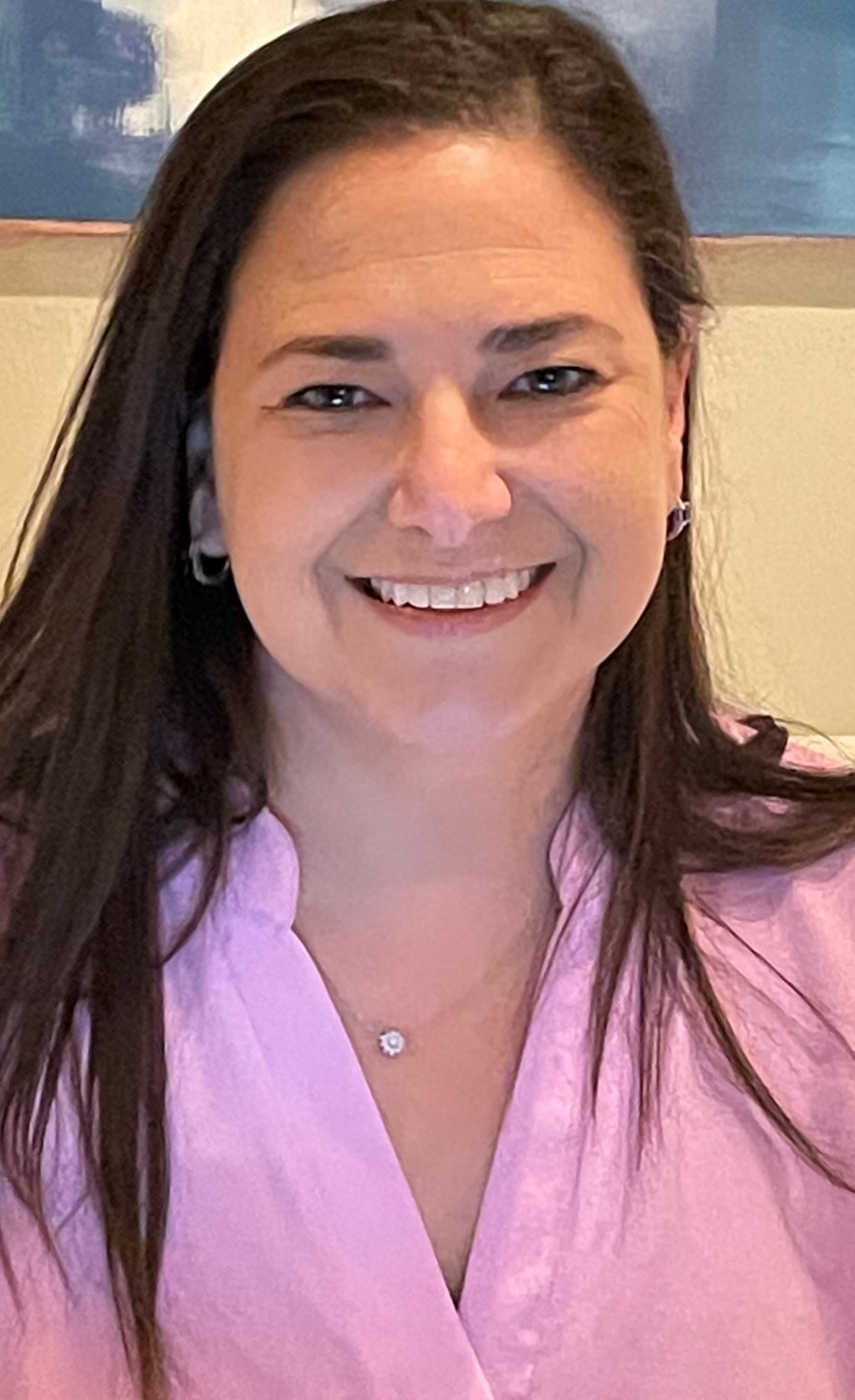
Jessica Setnick is the best kind of dietitian - she knows her stuff but doesn't take it all too seriously. While working in the eating disorder field, Jessica realized that the tools she was teaching for eating recovery were skills that would help everyone who eats. Now retired from patient care, Jessica teaches health professionals to do a better job helping their patients who struggle with eating and related issues, and leads Healing Your Inner Eater, a workshop that helps adults look back at the events that shaped our caregivers and our early childhood experiences and how they may still be impacting our eating and our health.