Make Peace With Food, Finally (EP 96)
I sat down with anti‑diet coach and osteopath Sherry Shaban to talk about the messy, uncomfortable, and often ridiculous way we deal with food, diets, and our bodies. She shares how she went from CrossFit-obsessed, macro-counting perfectionist to someone who actually makes peace with food, and why most of us don’t have a “willpower problem” so much as a nervous system, stress, and survival problem. If you’ve ever gone from “cheat meal” to weekend-long food bender and then woke up Monday swearing you’ll fast and be “good,” this one is painfully relatable in all the best ways.

 Apple Podcasts
 Spotify
 Pandora
 PocketCasts
 RSS Feed
 Overcast
 Amazon Music
 YouTube
 This conversation with Sherry Shaban is for anyone who has ever stared at an empty pizza box thinking, “How did we get here again?” while also knowing way too much about carbs, macros, and whatever diet is trending this month. Sherry is an osteopath, strength coach, and self-described science nerd who used to live in what she calls a self-made food prison: counting grams, tracking every bite, and stressing out her family and friends with constantly changing rules about what she would or wouldn’t eat.
Chapters
- 00:17 Introduction to Unhealthy Podcast
- 02:35 Journey to Anti-Diet Coaching
- 10:10 Realizations and Disordered Relationships
- 11:25 Back to the Beginning
- 14:49 The Shift to Fitness
- 21:00 Understanding Overeating
- 23:55 The Role of Biology and Psychology
- 37:42 Moving Towards Peace with Food
She walks through her backstory, starting with a major back injury as a teenager, chronic pain, and doctors telling her to stop exercising and take the pills, which eventually pushed her into the fitness world, CrossFit gyms, and full-on diet culture. On the outside she looked like the picture of health, but inside she was obsessed, confused, and stuck in a binge–restrict cycle disguised as “discipline” and “science.”
Guest: Sherry Shaban
- Website: https://makepeacewithfood.com
- Podcast (Apple): https://podcasts.apple.com/us/podcast/make-peace-with-food/id1543673323
- YouTube Channel: https://www.youtube.com/@makepeacewithfoodofficial
Companies / Vendors / Products Mentioned
- CrossFit: https://www.crossfit.com
- MyFitnessPal: https://www.myfitnesspal.com
=== MUSIC LICENSE CERTIFICATE: Envato Elements Item
- Item Title: Healthy Eating
- Item URL: https://elements.envato.com/healthy-eating-VNN4M4P
- Author Username: CrazyTunes
- Licensee: Marvin Bee
- Registered Project Name: Unhealthy Podcast
- License Date: January 3rd, 2026
- Item License Code: XPFS6HD54W
=== About the Unhealthy Podcast
Hosted by Marvin Bee (Uncle Marv), the Unhealthy Podcast dives into real conversations about health, wellness, and everyday habits that impact how we live, work, and age. From nutrition myths to stress management and tech-life balance, Uncle Marv brings humor, insight, and honesty to every episode.
- Visit our website: https://www.unhealthypodcast.com/
- Connect on Facebook: https://www.facebook.com/iamunclemarv
- Connect on LinkedIn: https://www.linkedin.com/in/marvinbee/
Follow and Subscribe: Stay updated with new episodes every week on Apple Podcasts, Spotify, YouTube, and more. Join the conversation about real-life health, fitness, and personal growth from the lens of an everyday guy striving to be healthier.
[0:14] Hello, friends, and welcome back to the Unhealthy Podcast. I'm your host, Uncle Marv, and this is the show where we try to get as honest as we can about all the way, well, all the ways that life gets a little messy. We talk about health, habits, relationships, work, money, basically all the things that can make us feel a little bit broken and how to start putting the pieces back together again. And today we are tackling a big one, our relationship with food and our bodies, not just what we eat, but how we think and feel around food. So my guest today is perfectly suited for this conversation, Sherry Shaban. I'm going to call her an anti-diet health and life coach. She's also an osteopath and a strength coach who has spent years helping people make peace with food, fitness, and their bodies. Sherry, welcome to the show. Thank you so much, Marv. I'm so happy to be here. Has anybody ever called you an anti-diet?
[1:22] Yes, although 10 years ago, maybe not so much. Yeah. I was that person that people didn't always want to invite to their dinner party because they were always worried that I had all these regimens and restrictions and guidelines that were, by the way, constantly changing. But now, especially since I've stepped away from the CrossFit world a little bit more and really started working on behavior and then helping to certify practitioners and coaches in the Make Peace With Food method, I think now I am referred to as the anti-diet coach and it's so freeing. So were you the type of person that if people invited you to dinner, you were the one that had to have that special plate you couldn't have what everybody else would have?
[2:10] Oh, yeah. And, you know, I would be ruminating over this for like hours in advance. I'd have to check in with the host, what's going to be served. It was this whole ordeal. And then even while I was at the party or at the event, I was just so preoccupied with what I would eat that there would be the right
[2:32] amount of macros that I needed to make sure that I followed my plan. And I started noticing there was a problem when my family was like, all right, well, we just don't know what to do for you anymore because we can't keep up with your constantly changing rules. And I think you have a problem.
[2:53] So in my head, I was thinking of what did your own family say? But I was thinking of it from the standpoint, if you invited people over to your house, were people just simply saying no, because they're like, you're never going to have our food?
[3:07] Well, they would. That's my dad. OK, so more of like my dad, Egyptian man, very rooted in his traditions, especially around food and how he grew up eating. And so I I've taken a lot of Egyptian recipes and then transformed them into you know my version of what it should be based on the rules and then he would kind of just you know stand there and be like no that's not the right dish like I'm not eating that you know you forgot to add oil or you forgot to fry it or you forgot to you know add the cream or whatever that is but, I have so, so much relaxed really around what I expect to nourish my body with, the rules, the restrictions, the expectations, the perfectionism around it. And it definitely has impacted all of my relationships very profoundly. So we're going to go backwards from the way that I thought, because I'm going to take this from what you just said. You've relaxed and you've, in a sense, I'm going to say, come to peace with food, which basically would have been the promotion I would have given you at the end of the show for your podcast, Make Peace With Food. So let me ask you this. Is your own realization what helped you come up with the idea for the podcast?
[4:36] Yeah, definitely. Definitely. And, you know, 10 years ago, I was running CrossFit gyms and on the outside, you would have no idea that I was struggling with food. And of course, all in the name of fitness, all in the name of science, because I am a science nerd. I have a biochemistry degree. I've got an exercise science degree. I'm an osteopath. I'm all these nerdy things. And I'm so heavy on facts and evidence and, you know, studies and all these things. And so back then on the outside I looked like what fitness should look like you wouldn't be able to tell because obviously I was doing CrossFit every single day I was very regimented but it was my internal mental struggle that was really creating a lot of chaos for me and there was these moments of massive confusion around food because when I first got into the health and fitness space.
[5:42] It wasn't because I was looking to release weight or change my body or any of these things. I actually got into the health and fitness space because I was struggling with a major back injury. So this was over 20 years ago. It was like my early 20s. I had been hit by a car as a teenager. I went on to have back surgeries. I was almost paralyzed. And my life was chronic back pain. And that was my identity. A person with a damaged back was constantly in pain. And I had to listen to what doctors said, which was take this pain medication, stop exercising, stop training. And I listened to all that, Marv, until I just had this aha moment one day where I just no longer recognized myself. I was partying. I was doing all these things that didn't align with the vision of who I thought I'd become in my 20s and my 30s. And so I decided to join a gym, start copying people, just start being more physically active because at that point I was quite sedentary and just in constant pain.
[6:51] And when I joined the gym and I trained for a few months, very consistently, I was actually able to overcome back pain and get off pain medications. And that's actually what propelled me into the health and fitness space. And so it wasn't about I need to learn how to eat or I need to release weight. It was really I have this chronic pain condition and it's completely debilitating my life. And I just want to be strong. That's all I really wanted to be is strong and pain-free and not relying on others to help me with things like carrying stuff or moving things or really like very basic things that I wanted to feel autonomous around. And so when I first started training and really working with people, that was the goal. I wanted to help them also feel that autonomy and feel very stable in their body, reconnect with their bodies.
[7:55] And on that journey that's when I really started connecting with different types of diets and ways to eat so I learned about the low-fat diet and calorie counting and by the time I opened my CrossFit gyms we were counting macros and we were told to eat like cavemen and so every single time I came across some sort of diet there was always the proof that it worked and then there was always the science that backed it up. So there's science saying that we shouldn't eat carbs and there's other science saying that we shouldn't eat meat and there's other science saying that we shouldn't eat fats or saturated fats. So a lot of confusion. And because I was so...
[8:38] On a mission to really learn the right way to eat, what I actually ended up doing was changing my food rules, started to demonize different food groups. There were certain foods that was good and other foods were bad. And before I knew it, my weekly Friday night cheat meal became a weekend long binge session where basically I would just be eating out of control.
[9:02] Eating all the things that you're not supposed to eat or all the bad things as I labeled them. And then by Monday, I would fast to make up for all the eating that I had done. And then of course, it'd be a great perfect week because I also meal prepped and I was super regimented until again, I would see that cycle start up where here's a cheat meal. And now I feel really out of control around food. obviously that's followed by a lot of shame a lot of guilt a lot of negative feelings about myself and validation and that's when I really realized like I'm struggling like I thought I thought what I was doing was caring about nutrition and caring about what I'm putting in my body because like that's what you're supposed to do in the fitness space but what was actually happening was I was developing a disordered relationship with food that was all in the name of science,
[10:02] all in the name of health and fitness and realizing that I wasn't actually peaceful around food. Food was actually very triggering for me, and it validated me. So if I ate clean or I ate the right things, then I felt like a good person.
[10:19] And if I had sugar or I had foods that were not what we were supposed to eat according to whatever diet I happened to be on in the moment, then I would start to view myself as a very bad person. And I'm so shameful and I failed. And especially because I have all these people coming to me for nutrition, and I'm helping them with nutrition, and I'm writing meal plans for them. And that's when I realized that it's not just me who's actually going through this, but it's also so many of the people at the time who I was putting on 28-day meal plans and six-week meal plans. They would get results during that time. However, the moment that the diet was over, they'd go back to old habits and old behaviors and also develop new disordered relations with food. Okay. All right. I'm going to let you take a breath there because you just dumped a whole word salad on us with all of this stuff. I felt like you were ready for it, Marv. I'm a good listener.
[11:25] So I need to kind of go back and unpack some of this. So that to me sounds like the bulk of your journey However, I feel there's probably some things you left out But I'm going to try not to ask you about them But let me at least get a little frame around this, How long ago was the accident where you had the back injury?
[11:50] So I was 16 years old, so we're talking 1995. Wow, okay. Yeah. So, okay, that just helps me frame the length of the journey that you went through. So, because I was going to ask you, well, what was lifelike before the accident that you, you know, kind of went through this party stage and then into the, you know, the gym rat stage, I guess. So now I understand. Now, at 16, I would not have expected you to be on this health kick at all. Were you just a regular person in high school? Were you an athlete? Were you one of those scholarly students? I know you said you were a nerd, but were you a nerd back then? I was a nerd back then, and I was also a varsity athlete. So varsity basketball and track and field and volleyball and all those things. All right. I understand those. I also was an athlete, so you were doing stuff, working out on all that. Accident happened. Apparently, that stopped all of the athletic stuff. That's right. Okay.
[13:02] So at 16, then you've got two more years of high school. That was the party years? Yeah, up until 21. Okay. 21, 22. Interesting. All right. So did you, and you went to college right after? Yeah. Okay. Don't tell me where. I don't want to know what party school you were at. Okay. So now we've got a little frame there. So, wow, 95. So then you went through those few years. Then you turned into the fitness gal and doing all this stuff. Now, I heard you say in there that you open gyms. That's right. Was it CrossFit at the time or what? Let me go back. Let me go back because I need to understand this. Your doctors told you to take pills and stop exercising. That's right. All right. Outside of the partying aspect and the life being out of control, what was it that actually made you think, I'm going to start exercising against the advice of my doctors?
[14:10] You know, they, they, we heard this before, like sick and tired of feeling sick and tired. and it was something along those lines. It was really a morning where I woke up after a night of partying and I'm like, who is this person? Like, who have I become? And I just couldn't recognize myself. I was getting further and further away from who I believed I was meant to be or meant to be for. Yeah, but that, you could have done anything. You could have, you know, gone more into the nerdy stuff. You could have just, you know, Stopped partying, started studying, done academia.
[14:50] Why back into the fitness?
[14:53] I'll go back to childhood. I truly believe as kids, when we haven't had so much interference from adults, from parents, from people telling us how we're supposed to be, what we're supposed to do, we dream. And vision is one of the strongest things that drives us, and it really puts us on the path. And that's what I remember always seeing as a kid, like my coaches and be like, I just want to be a coach like them or, you know, playing a sport. And at that time, all of the sports I played were team sports, but always really looking up to my coach, my Phys ed teacher, and just knowing that I had this natural ability. Even as a kid, I was a competitive swimmer and, you know, I always had this natural ability. My body was always able to perform and then I always saw myself super interested in physical activity and something involved with the body and then teaching people that and guiding people and the science I'm still a big science nerd it's still a big part of what I do but it wasn't how I felt that I was supposed to share my gifts okay.
[16:13] All right. I apologize for asking all these questions. They're probably. No, go, go. So then you start doing the gym stuff. So how.
[16:26] Listen, I was a part of the gym rat community. I did not get into, you know, the bodybuilding and the true gym guy. I wasn't the person that had to have the protein drink, you know, and the bar and the gallon jug while I worked out or anything. So part of me is imagining you in that scenario where if you were that geeky with the workout regimen and the diet and the stuff, were you on that extreme as part of the, you know, part of that gym crowd doing the CrossFit thing? Were you that bad? I was. Is bad the right word? I don't know. I don't. But extreme, yes. Okay. Yes.
[17:11] Wow. Okay. so you got to the point you said macros earlier in talking about when you would go to visit people. I could not imagine first of all i don't even know what counting macros is but I’ve heard it I’ve heard it and it sounds way too geeky for me and I’m a geek i did some science and math stuff So I I'm there. Um, so then what outside of feeling those feelings of people not wanting you to come hang out with them at the parties and stuff like that, I'm trying to find what was it that was the true instigator for you to make peace with food yourself. I mean, because again, I'm trying to understand the steps involved because it's probably, you probably were thinking, well, I'm, I'm the one that's right. They're not. Why am I feeling bad? Right.
[18:13] And, you know, it's interesting. It was never about I'm right and they're wrong. I think I just became difficult, you know, as a guest. Like, if you think about it, and, you know, not everybody has the gift of hosting, right? Like, there are just some people that, and I know so many friends do this, it's like, it's their pleasure to host and then they remember everything. And, you know, and for me personally, I always put way more effort and stress into hosting. And so I think it just became like that. It wasn't that people didn't want to hang out with me. It was just like; I don't know how to please her. Or, you know, there were so many questions around, you know, what I would eat or not eat. Or are you eating carbs now or not? Or are you eating meat now or not? And so there was just, you know, this constant, just challenge, I would say. And if you do, if you are listening and you do have a fitness friend who is counting macros or, you know, really, really strict about being carnivore or vegan or whatever that is, you'll notice that it does bring up a sense of almost discomfort.
[19:26] Just to have that conversation to see what a person is going to be comfortable with. But for me, Marv, to come back to your question, that point where I realized there's something wrong was, I remember this was, and I remember this so, so vividly. I remember thinking to myself, has anyone ever died from like.
[19:52] An exploding stomach? Like, is that a thing? Can like this actually happen? And this was, this was now around 2018, 2019. I had become, uh, at that time, because everybody was talking about how meat is really bad for you and you should be plant-based and all those things. So I had, I had become plant-based at that time, exercising, you know, exercising and really being really active and having a hard time meeting probably the energy requirements for my body. And I remember this moment where I just started to eat out of control. And it wasn't like I was eating, you know, junk food and processed food. I remember I was eating like bowls and bowls of oatmeal with fruits and nuts and still not feeling satisfied, like still feeling like, Like, oh my God, my body's missing something and I just can't put my finger on it. And then I just remember getting to the point where I was so uncomfortably full and wondering to myself, like, can you actually like kill yourself by accident from like overeating?
[20:57] And then that was when I realized, okay, there's a problem. I know all the things. Like, I can tell you, fasting, I'll tell you the benefits and the science behind it. Veganism, I'll tell you the science behind it. And, you know, all the different types of diets. Like, I know all the things. So how can it be that I know all the things, I know all the shoulds and shouldn'ts, and yet I can't stop myself from overeating?
[21:23] And the reason behind that and i didn't know it at the time but the reason behind that is i had triggered my nervous system to believe that it was in a scarcity that it was an actual food scarcity and that's this binge eating behavior is actually something that is innate within us and all of us it's our survival mechanism and we have this mechanism because we've evolved to with to be able to withstand famine, and then to be able to feast like kings when we had food available to us. So this is actually something that dieting does. So coming back to why I'm an anti-diet coach, anytime we diet, we restrict food groups or restrict calories because we're in a calorie deficit and need to lose weight, sure, it works for a short period of time until your nervous system says, oh my God, like if we continue like this, we're going to die. And we just, we can't do that. We can't just automatically shut down.
[22:31] And so this part of our brain gets turned on where our hunger and satiety hormones are no longer working properly, as in our hunger hormones are high all the time. So you feel like you're hungry all the time. You need food all the time. Our satiety hormones don't kick in to say, hey, we've had enough, stopped eating. We actually override those cues and we keep eating and eating and eating until we're at that point of discomfort. And so it wasn't because of lack of information. And anybody who's struggling with a disordered relationship with food, they know better. It's not about not knowing what to do. Everybody knows what to do. It's kind of like saying, well, we all know the side effect of long-term cigarette use. We all know that. And so it's very much the same here. And that's where now my interest in behavior is such a huge part of my work. And really understanding why is it that people know what to do, but they can't get themselves to do the things they know to do? Or why is it that suddenly we have these moments where we are feeling out of control, self-sabotaging? Even if we're not, we don't want to do that thing, but we're self-sabotaging. We say we're not going to do it again, and yet here we are doing it again, and probably this time to an even greater degree than the time before.
[23:56] So a lot of this feels like we're at a point in time where it's a combination of we have too much information yes we are in a sense dealing with.
[24:09] I don't want to call it an addiction but it kind of feels like that where the body craves things or your mind craves things and you get stuck in that so you've talked about all of that.
[24:24] And one of the things that I’ve been learning on this journey that that i started is you know for the most part all of these diets i mean they're all anchored in some partial truth in terms of what they do but it's when you start to exclude everything else and the whole idea is that diet should be balanced you know our bodies our bodies know what it needs that's right you know and we should listen or to our body you know only eating when you're hungry stop eating when you're not you know when you're full uh or actually before you're full i I’ve adopted that and i don't know how to detail you know stop eating 80 full and I’m like how do you know when you're 80 full you know right but I’ve tried to figure out okay I’m not going to eat until I’m full but going back to a lot of what you said i mean it's it feels like you were going through that where there was just overload and almost a sense of over commitment does that sound fair yeah yeah interesting over commitment and perfectionism okay and i find there's a lot of.
[25:42] Personality traits that play into this too. So for those who are perfectionists like me, for example, I'm a type A personality. I'm a go, go, go, high achiever.
[25:55] I grew up also in an environment where my parents were expecting us to be high achievers. So I always strive to do way more than what would be, let's say, like baseline acceptable. And that's just sort of my personality so coming back to macros and we're not going to get into macros because thank god that's we're anti-diet thank goodness yeah Marv um but macros is just a i don't know how to describe this except for a more intelligent way to count calories if you will and so when your numbers say you know 150 grams of carbohydrates per day or 120 grams of protein per day for me that was so, so precise. Like I needed to nail that precisely. Like I couldn't be a few grams over because that felt like a failure to me. So a lot of it is, is just my nature, my personality. And that's what really led me to feel very stressed and to trigger my nervous system into fight or flight, which is what happens when we are stressed. Our, our nervous system is anticipating some sort of threat in our environment did you carry around a scale and a book and write down everything i had an app yeah i had an app where i was yeah tracking all the things and it was felt like a self-made prison.
[27:24] At the time. I'm looking to see if I still have, I had an app that was supposed to do that, but I didn't do it. Let's delete it, Marv. Let's do that together. Let's just delete it. Well, first of all, because I got a few of them. It's in the cloud. It's gone. There were a few and you know, this whole ad, here it is. MyFitnessPal. Yeah, that's the one. That's the most common one you've heard of or the one you used. The one I used in the past; I haven't used any sort of tracking device or app or anything in years. Okay. Here's yours first. Oh, I'm sorry. I was supposed to delete this. Oh, yeah. Remove app. Perfect. Delete app.
[28:09] And deleting. Nice. Good job. Congrats. There we go. I'm keeping my Yuka app, though. I like that one. Okay. Good. So all right we're way off track here in terms of what i thought we would accomplish so uh i want to ask you a couple more questions just to tidy this up and then i want to ask if we can do a part two does that work yeah absolutely okay so i want to go to the comment that you made about, you know everybody knows what to do but just don't do it and i mean again that goes to the fact that we all have there's so much information out there there's so many diet plans there's food plans that you can just you know buy off a tv and not even think about what it is you're eating and they're supposed to be healthy for us i don't know I’ve never tried them just to be honest, but from your perspective what's really happening, with us that we know what to do but we don't do it hmm.
[29:18] So there are several things. So coming back to the we know what to do, it's such a blanket statement. And at the same time, I will invite us all to look at how all diets are similar in some way. All diets that we see today, so whether that's carnivore or being plant-based or keto or any of these things, a lot of them talk about eating whole foods and really doing our best to avoid processed foods and refined foods. So even when we are 100% whole, you know, being whole food plant based. And so from that aspect, we all can agree that eating too much refined or processed foods can create dis-ease in the long term. We can all agree that movement is something important for us to do. We can all agree that strength training is beneficial for many different reasons, including avoiding age-related illnesses later on in life.
[30:32] And so that's the part where I come in and say, we all really know what to do. It's a little bit common sense for us. But why don't we do the things we know to do? Well, when we look at babies, because I think that's the greatest way to really explore hunger and satiety cues. can see that babies cry when they're hungry. Once they're full, they stop eating. And so we're born with that ability to really listen to our body's needs, to have certain signals that tell us it's time to eat and other signals that tell us, okay, we've had enough. But what ends up happening over time is that the first thing is social influence. So this is now when, you know, mom says, hey, better finish your plate. You're not getting up until you finish everything. I was just thinking that. Right? Yeah. There's starving kids all over the world. You eat.
[31:28] That's right. And I never understood, like, why do I have to eat this because there's some kids starving in Africa? How am I going to help that child? Right? So those are the first things that we learn. And then, of course, we learn about food reward. So you're having a really bad day And then, you know, you have a cookie to feel better or mom bakes you cookies and you feel better or you're injured and then mom makes you something yummy and then it feels really great or you had a great day. And then guess what? Now we're also rewarding with food. So our first exposure to unwanted behavior is actually social.
[32:03] And then as we get older, and now life is starting to get challenging, and we're now stressed about different things, it could be stress in relationships, stress with finances and work, stress with life.
[32:16] You know, children, mortgage payments, elderly parents, so all these things start to create stress in our life. And now we can start to look at biological sources of unwanted eating. And cortisol is number one. So cortisol is our stress hormone that's released anytime we are in sympathetic nervous state or fight, flight, flee. Okay, that's like that nervous system state that really prepares us for danger or to overcome any threat in our environment, including hunger and food scarcity. So cortisol has this really important role in ensuring that there's always blood sugar available to us that means that we need to have instant quick access to energy in case we need it to defend ourselves to run to flee to really do anything in the moment that would require energy Now cortisol drives cravings. So it's that first hormone that drives cravings and it drives cravings for food that is very, very quick to access energy from.
[33:35] Once we go for that food, then now we have insulin, which is our storage hormone. Now, insulin is playing a role in this too. And every single time we're eating something that's got a high glycemic index or a lot of carbohydrates or refined sugars, we store that. And then every time insulin drops because it's storing that, then we feel another craving. And so to come back to some of the things that you asked earlier, Marv, it's not a one, you know, a one answer type solution, right? We always look for etiological based reasons. So cause and effect. And when we're looking at unwanted eating behavior, like you know what to do, but you're not doing the things you know to do, we have to explore socially. Like, where did I learn this socially? Where did I learn to soothe with cookies? Where did I learn that I must finish my plate? Even if I am full, the plate has to be finished. When did I learn that? And then number two, looking at biological sources of cravings. So like we were talking about earlier, if we're always in fight, flight, or freeze, If we're always overstressed, overworked, we never get to rest, we're not sleeping well, we're not nourishing our bodies well, then we'll always have these cravings that are just greater than us because this is just biology driving your cravings versus it you knowing better.
[35:04] And once all your hormones are disrupted, you're now just following your hormonal cues versus actually listening to your body's nutritional needs in the moment. And then finally, psychology is really big.
[35:18] So these are the three pillars that I essentially cover and teach in the practitioner training course, biological, psychological, and social sources of cravings. The psychological sources of cravings come from early development. This is us learning how to cope, to soothe, to numb, to distract ourselves using food or other coping mechanisms such as alcohol, drugs, porn, shopping, social media also. All these things that give us these dopamine rewards that we basically habituated our bodies in that when we're feeling something uncomfortable, we can escape that very quickly through food. And especially if we have unresolved traumas if there are certain moments in our lives where we've experienced a very big trauma that we never fully got to process got to release got to work through that just comes with us and we bring that along with us throughout our life and really teach ourselves that anytime we feel that similar emotion that similar pattern or there's a trigger that reminds us of that experience, well, one thing we can always count on to make us feel better in the moment is food.
[36:35] So that's why I really find.
[36:40] If we can move away from what am I eating? How much of it am I eating? Should I weigh it? And, you know, how many calories is this? And really move away from that and then really start to get curious around, well, why am I overeating now? Why am I eating again, even though I ate an hour ago and I'm not hungry? Or why do I eat when I'm around these people? Or why do I feel shame after I eat? Or why is it that when I'm stressed, I eat these things? Or when I'm sad or bored or lonely or tired, do I eat? So moving away from the what to eat to the why, what is driving my unwanted eating, creating curiosity around that, will help us really find more resolution that can drive a peaceful relationship with food. And more importantly, really getting us to sit in whatever it is that we have been avoiding, maybe for so long that's actually impacting and interfering with other areas of our lives as well.
[37:43] All right. Well, that gave me a very thorough answer of my question there, and I think that's a good place for us to stop, and then we can dive deeper into how you make that transition, or how people like me and the listeners make that transition the same way that you did when you flip the switch finally on your stuff there. Folks, the podcast that we started to reference, Make Peace With Food, is something that Sherry talks about all of this stuff on. I'll have the website linked to that in the show notes. And then we're going to come back and dive a little bit more into her story and to how she helps us understand our body, our cravings, our nervous system. So hang with me, Sherry, and we'll be right back. Thank you so much, Marv. All right, folks, we'll be right back.
Coach, Speaker, Podcast Host
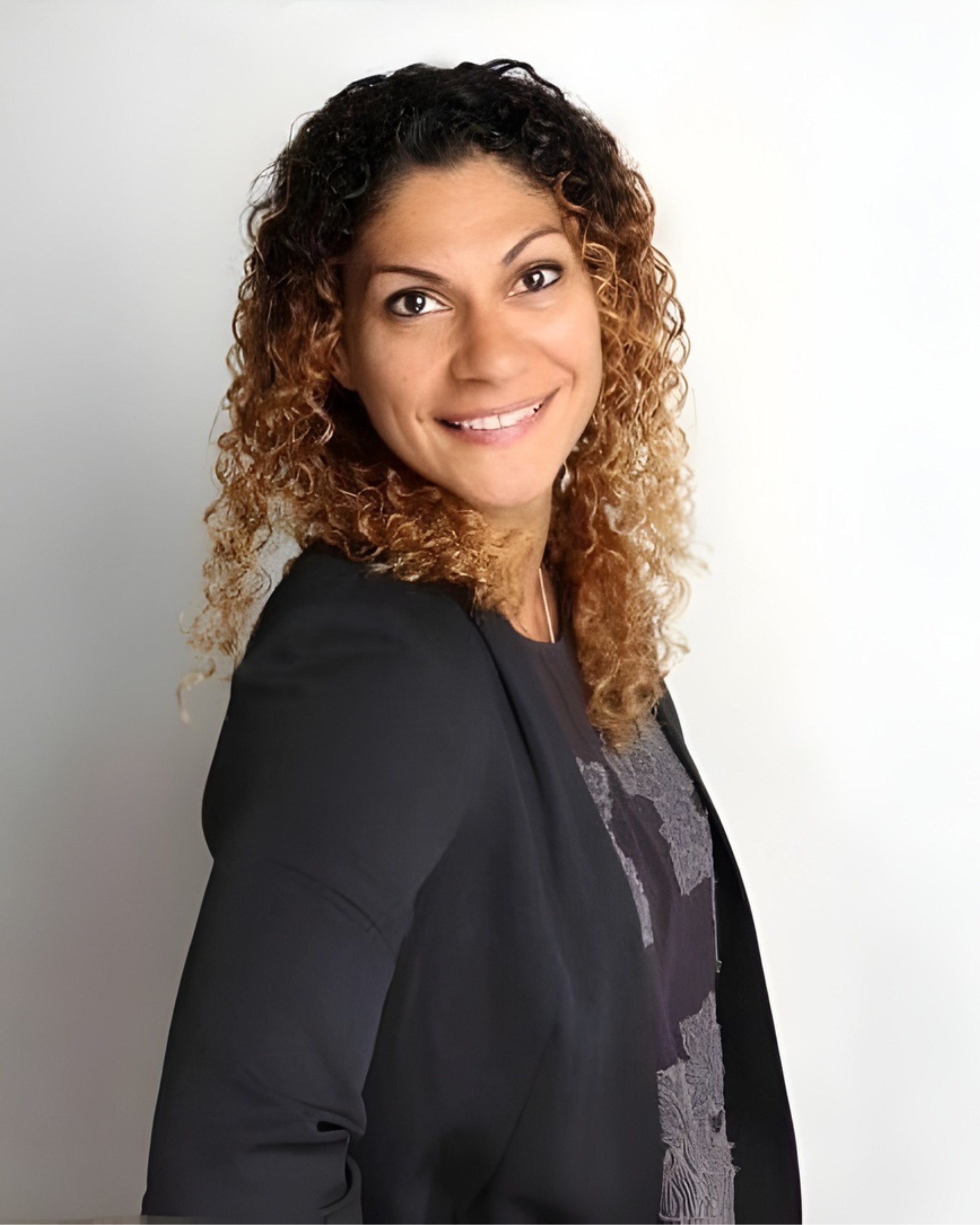
Sherry Shaban is an anti-diet health and life coach, osteopath, athletic therapist, and strength coach who helps people heal disordered relationships with food, fitness, and their bodies. She is the creator of the Make Peace With Food™ Method and host of the Make Peace With Food podcast, where she explores how biology, psychology, and the nervous system drive self-sabotaging habits like binge and emotional eating. Drawing from her recovery from a severe back injury and years of disordered thinking around food, she teaches clients to stop outsourcing their health to diets and gurus and instead rebuild trust with their bodies. For your Unhealthy audience, she brings a highly relevant mix of mindset, identity transformation, and nervous-system-based strategies for people who “know what to do” but can’t seem to do it consistently.