From NASA Robots To Root Cause (EP 103)
Greg shares how crippling gut pain, brain fog, and 2:30 a.m. robotics lab shifts pushed him to walk away from NASA and follow his bliss into Chinese medicine and root-cause healing. We talk about stubborn chronic symptoms, gut-brain connection, and the moment a 20‑year autoimmune gut nightmare finally broke.

 Apple Podcasts
 Spotify
 Pandora
 PocketCasts
 RSS Feed
 Overcast
 Amazon Music
 YouTube
 Greg Lee didn’t leave NASA because he got bored playing with robots in space. He left because his gut was exploding, his brain felt like dial‑up internet, and the meds that were supposed to “fix” him made it worse. Picture running high‑stakes experiments at 2:30 in the morning while wondering if you’re going to sprint out of a meeting to the bathroom again. His doctors told him it was irritable bowel syndrome, gave him a prescription, and sent him on his way… even as the brain fog and anxiety started tanking his work and his sleep.
Out of options, Greg followed a colleague’s suggestion and tried acupuncture. Not only did an acupuncturist help calm his gut and change his diet, it cracked open a completely different way of looking at health, energy, and what “root cause” actually means. That path led him out of engineering and into Chinese medicine, subtle energy work, and eventually to running the Lyme Research and Healing Center in Maryland, where he helps people with Lyme, mold, autoimmune issues, and long‑term “what is wrong with me?” symptoms that everyone else shrugs off.
Chapters
- 0:35 Introduction to Hidden Health Issues
- 3:40 From NASA to Gut Crisis
- 6:30 Follow Your Bliss
- 9:33 Acupuncture Beyond the Needles
- 15:07 Choosing a New Path
- 18:55 Aging or Something More?
- 21:49 Finding the Root Cause
- 25:14 Listening to Gut Signals
- 27:57 Autoimmune Clues and Scans
- 33:34 Healing the Hard Cases
- 34:39 Part One Wrap-Up
=== Guest: Greg Lee, Lyme Research and Healing Center
- Website: https://www.lymeresearchandhealing.com
- LinkedIn: https://www.linkedin.com/in/greg-lee-lyme-research-healing-center
=== Resources / Companies / Books / Podcasts
- Lyme Research Center – Free Video for Unhealthy Podcast Listeners: https://lymeresearchcenter.com/marv
- Toyohari (Japanese Meridian Therapy Organization): https://www.toyohari.org
=== MUSIC LICENSE CERTIFICATE: Envato Elements Item
- Item Title: Healthy Eating
- Item URL: https://elements.envato.com/healthy-eating-VNN4M4P
- Author Username: CrazyTunes
- Licensee: Marvin Bee
- Registered Project Name: Unhealthy Podcast
- License Date: January 3rd, 2026
- Item License Code: XPFS6HD54W
=== About the Unhealthy Podcast
Hosted by Marvin Bee (Uncle Marv), the Unhealthy Podcast dives into real conversations about health, wellness, and everyday habits that impact how we live, work, and age. From nutrition myths to stress management and tech-life balance, Uncle Marv brings humor, insight, and honesty to every episode.
- Visit our website: https://www.unhealthypodcast.com/
- Connect on Facebook: https://www.facebook.com/iamunclemarv
- Connect on LinkedIn: https://www.linkedin.com/in/marvinbee/
Follow and Subscribe: Stay updated with new episodes every week on Apple Podcasts, Spotify, YouTube, and more. Join the conversation about real-life health, fitness, and personal growth from the lens of an everyday guy striving to be healthier.
[0:21] Hello friends, Uncle Marv here and welcome back to the Unhealthy Podcast, the show where We talk about fixing things in our life, you know,
[0:31] our health, our mindset, our relationships. And we do all of those things one conversation at a time. So on today's show, let's start by framing it this way. If you've ever walked out of a doctor's office with normal labs, but you still feel like trash, well, this is probably going to be an episode that you want to pay attention to. Maybe your gut's a mess, your brain feels like it's running on dial-up, you're exhausted by lunchtime, and the best answer you get is, well, everything looks fine, but you know that it's not. So we're going to talk about that today. My guest today is someone that I think would really be very interesting. Greg Lee started out as a NASA engineer and an IT guy who got knocked down by his own health issues. And was told over and over that everything was normal.
[1:31] But we're going to hear about his journey and how today he runs the Lyme Research and Healing Center in Frederick, Maryland, where he and his team help people with Lyme, mold, autoimmune issues, and all of those long-term, what is wrong with me type of things. So, Greg, welcome to the show. Hey, Uncle Marv. Glad to be here. It's kind of like having a fireside chat with you here. Well, that's what we like to do. I like it to be, you know, casual and real talk and all of that sort of stuff. And so we'll hear your story today. And you've got an interesting story because it's not every day that I get to meet somebody that was a NASA engineer and an IT guy.
[2:22] Because usually those are separate by themselves so uh you got to coordinate all of that and now you're running a research center so tell me about uh tell me about the early days what was life like oh you know i grew up watching star trek so i thought that was the way no man i have to i have to do space stuff so you know i did math problems played chess and i, I took a class with a geologist named Paul Lohman, who worked at NASA right nearby for University of Maryland. And I said, hey, got any openings? He goes, yeah, sure. Come on over. Easiest job interview I've ever had in my life. Yeah. And so I went over, got a job and worked as an intern and looked at all sorts of geology stuff because my mom was a geologist. And so I had grew up with rocks everywhere around the house. And, you know, so I was used to that.
[3:22] And while I went to school, I ended up getting a degree in computer science and eventually came back to NASA.
[3:31] Working on climate modeling, working on a space station, Hubble Space Telescope, working with robots. Robots and when i was a manager in the robotics lab i began to have really bad gut issues like i had to like you know my gut was going to explode was like swollen painful and sometimes we'd have to go to the bathroom sometimes in the middle of meetings so it's kind of like oh sorry guys i got killed and uh it really started to take its toll on it because i couldn't focus on because i was always worried about when's the next like thing going to blow up right and so i went to the doc. And he goes, oh, you've got irritable bowel syndrome. And here's some medication. So I was like, great. Took the medication and it gave me really bad brain fog. And I was sitting there going like, holy crap, I can't even think my way out of a paper bag with this medication. And so I fell behind on projects and I was like losing sleep, having anxiety.
[4:31] It was like the lowest point of my life. And I was talking to a colleague of mine and she said, well, why don't you try acupuncture. And I had this crazy uncle. Well, he wasn't that crazy, but he had arthritis and he was this expert on China and he would take bees, live bees and sting his arthritic joints with the bees.
[4:53] I thought he was nuts. Okay. Yeah. I was going to say that would be crazy in any book. Yeah.
[5:01] And bee venom has anti-inflammatory properties, antimicrobial properties, all this I didn't know at the time. I just knew my experience as a kid because I was like 10 years old when he was doing this. Getting stung by bees on a playground was just like, no way. But now, facing my own gut issues, I'm like, okay, I'm not going to do the bee route, but I'll do the needle route. And so I went to an acupuncturist and she counseled me on my diet. She gave me treatments, helped my gut to heal and remedies. And within a couple months, most of my symptoms got better. And I was like, man, you saved my butt. Thank you. Went back to work, didn't take much of it until my symptoms started to come back a year later. And I was like, oh man, because at the time we were doing projects where we'd have robots being controlled by astronauts in the space shuttle on orbit.
[5:59] And the windows they have, okay, we have a half an hour window at 2.30 in the morning. So you got to prepare for the experiment. You got to be there at 2.30, the 3 a.m. And then you do whatever you need to do post-experiment. So you have these like long, you know, windows where you're kind of on and you're working on stuff and doing that, you know, over and over again, really took its toll on my gut. And so it hit me, I, you know, I, it's too much for me. I need to make a change.
[6:31] And I searched, you know, uh, I discovered, uh, this interview that Bill Moyers, he was on PBS a lot. Uh, he interviewed a guy named Joseph Campbell and Joseph Cavill said, follow your bliss. And I'm like, follow my bliss. I don't even know what my bliss is. I thought it was NASA. And so then it hit me when I was on the search for several months.
[6:53] That my bliss was really helping other people, like my acupuncturist helped me, uh, to solve these difficult health issues. So I just like, okay, I'm doing it, man. I'm going to leave NASA. My colleagues thought I was nuts. Uh, but the ones who knew my health challenges, they were like, man, you got a lot of courage. Okay. So before you, before you make that switch, I want to go back and unpack some of these things because, uh, first I want to get an idea of the, the timeframe. Uh because it sounded like when you first got to NASA as an intern were you still in college did you just finish college okay i was still in college then after i graduated i went to industry then i came back to NASA and that's when i stayed at NASA for like seven years okay i was going to say how long did it take for you to actually start working on projects where you would be up at 2.30 in the morning to work within those windows. Okay, so seven years. That was the robotics lab, yeah. Robotics lab, okay, all right. So how soon after you got started there did the first symptoms kind of come about, and did you just kind of think they were food issues, you were eating the wrong stuff, or...
[8:11] How did that start? I didn't even think of food issues at all. My family is like a bunch of foodies. Like they go, half my family is Chinese, half my family is Korean. The Chinese part of the family would go to the restaurant and get that eight course meal. And you're just pounding down a ton of food, you know, over like two to three hours. And afterwards, you're just like in a food coma. And so that was kind of like my relationship to food was, okay, you go and have these big family kind of events and do the big meal thing. And so for me, you know, food was just like, I didn't think about it as something that could cause my problems at all. All right. Until the acupuncturist kind of coached me on, hey, this is, you know, can create inflammation and things like that.
[9:00] So. All right. So you go to the doctor, tells you got IBS, gives you medication, doesn't work. How long did it take for you to actually accept that you needed to do something different and go to the acupuncturist? It took me about three to four months of taking the medication to realize that, you know, because I was like, I hope it'll work. I may just take time for it to kick in, but, you know, it just wasn't working and that I needed to then do something different.
[9:33] Interesting. Yeah. So now help me understand. So I'll be honest. I've heard of acupuncturist all my life. I've never really understood that.
[9:47] What they do i know that you get you know hooked with needles and i always thought it had something to do with just your like your muscles and your tissue and that sort of thing where you know you mentioned the arthritis that's kind of where i thought that if you've got soreness or if you've got you know things going on kind of like on the surface level um but you're talking about some deeper stuff. So what is the range of an acupuncturist?
[10:20] Everyone, there's many different styles of acupuncture. Actually, I was trained in a couple of different styles. One of the traditions I studied in was actually taught by blind Japanese acupuncturists called Toyohari. And one of the main instructors there, he was kind of short, he had big ears and not much hair. And if he was green, he would look almost like Yoda from Star Wars. And so this is Mr. Yanagisha. Okay. And he would teach us how to sense the energy and use acupuncture. You didn't have to, with this style, you didn't even have to put the needle in the skin. You could just touch it to the skin. So it was outlets in a lot of ways. So when you have kids, when you have people are really sensitive or needle phobic and they, they experienced this, they're like, oh my gosh, This is like amazing. I was terrified, you know? And so Uncle Marv, there's hope for you. You know, you can get acupuncture and it may not, it may not hurt. May not have to have the needle put in. Interesting.
[11:22] And so basically, in different recent studies, they discovered these microchannels, microfluidic channels in the body that correspond to the different acupuncture points and the pathways they lie on. So like this fluidic, electrically charged pathways that are in these really tiny structures in the body. And the theory is by doing the acupuncture in these points in a certain way, there's different techniques you can use to increase energy.
[11:58] Disperse energy, or, you know, have it normalized or regulate depending on what system you're trained in. So, this is what I studied a system called five element method and then branched out to study other ones also. And basically, there's a whole rich tradition, like thousands of years of Chinese medicine studies and texts. And obviously, I haven't studied all that, but a lot of it isn't just based on symptoms. That's kind of like, there's like three levels of practitioners that have been written about in Chinese medicine. There's kind of like the base level practitioner that treats symptoms. And then there's a mid-level practitioner that treats like the person's core, like what's called constitutions. And then there's the enlightened practitioner that treats without having you in the room, that treats before the remedy or the acupuncture needle touches you. And this is a tradition called Tong Shen Ming or penetrating divine illumination. So it's kind of like this spiritual healer form that's been written about for over a thousand years.
[13:15] Okay. Now, these sound like, you know, they're going to be something you would get if you were, you know, in Asia proper, not here in the States. So are these the types of things that you can actually study here?
[13:30] The one of the scholars uh is actually a French woman and who uh Kate would come and teach at our at our university and uh she said uh yes the teaching are there but the practices have been lost over time so we what I ve done is i go on to other healing traditions and said okay how can i access the subtle energy, subtle sensing, refine that, and then use that to help patients identify what is going on and how to help them heal more quickly. Okay, gotcha. And then last question on acupuncture. Sorry for digging in here. I have a sense that there's probably a repetitive nature to this, much like massage therapy, deep tissue, you know, massage or whatever, that you don't just do it once. You need to do some sort of regularity with it. Uh, is that the same with acupuncture?
[14:34] If you go to the, like, kind of the base level practitioner, yes, you need to do the repetitive stuff. Okay. And sometimes more, less so with the kind of like mid-level and the divine penetrating illumination one. Sometimes you don't need that much repetition. So it really depends on the skill of the practitioner and also what kind of issue you're treating.
[15:01] Okay. All right. So I think that's given us the timeline that I was looking for. So now you get to the point where it worked for a while and then it didn't and you had to move on. So let's talk about that. So I went from, you know, being an engineer to going back and to graduate school to study, you know, Chinese medicine, acupuncture, herbal medicine. And it was much different. It was much more of a understanding things that I needed to change in order to integrate and learn how to be a provider of medicine. It wasn't like engineering where I just have to know how to, you know, different things to put things in space to make sure they don't fall apart in that harsh environment. But this is like, okay, there's a whole subtle or energetic, uh, relationship that's there. There's subtle sensing, there's subtle ways to help other people to heal, whether it be through needles or herbs, or even just speaking and what they call energetic transmission. Okay. Now help me understand when you got that enlightened thought of follow your bliss.
[16:30] Was this what you thought it was going to be? I mean, because, I mean, the engineering Star Trek mind in me had to think it had to be a complete switch. Yeah. Well, you know, when you hit a wall, you're kind of like, okay, that, that I can't go through the wall anymore. I got to find a new path. Right. And so I was open for the, like, okay, up for like new doors opening. Joseph Campbell talked about when you follow your bliss, you know, doors open that you never knew were there. You meet people who guide you, who support you in ways that, and they give you gifts and all these other things that you get that help change you, that help, you know, you to get mastery of a new kind of world. And whether it be through illness, whether it be through an earthquake, whether it be through, you know, some other life-changing event.
[17:26] Okay. And so, yeah. So you're, you're starting to do this. And at first I imagined that you were dealing with a lot of normality s in terms of, you know, the types of treatments, the types of people you were dealing with and stuff. Did you start to look at it from your perspective where, you know, your stuff was kind of a stubborn chronic, you know, it wasn't just the run of the mill, go to the doctor, get healed. Life is good. Um, so did you go in thinking you were going to focus on these, these stubborn areas? I, I started off focusing on like chronic pain. Okay. Because that was a.
[18:10] When you work at NASA, you think about, okay, what is the like Uber thing that I can do? And that's going to, you know, make things the world better or help advance science. So just dealing with someone's, you know, issue, it's not quite there. I wanted to pick something that was hard because I was used to solving hard problems and difficult challenges. And, you know, I had my own that I dealt with. So I wanted to say, okay, that was something I wanted to help people that way to get that feeling of like, okay, I'm fulfilling a purpose that's greater than myself, which is along the lines of following your bliss. All right.
[18:56] So now I want to ask a question, thinking of my audience, because most of the audience, let's just say we range in the 40s, fifties and sixties. So we are past our, you know, young, active parts of our life where we just, you know, bounce back and are athletic, going to the gym and all of that stuff. So a lot of us are, we're tired, you know, our guts a mess, our brains are foggy. And a lot of us just treat this as normal, as aging stuff. So, um, how do you differentiate what is normal versus, you know, what are some red flags that we need to start paying attention to?
[19:37] Well, first thing is, are you happy? Are you feeling like you're living your best life? Are you feeling you're just kind of like, well, I just got to like, accept this is the way it is now. And what kind of, what's the difference is like, okay, if you're in that kind of like, I got to accept it. There's this kind of like a de-energized thing, kind of like blah state, right? Right. So that is where I would start when something is not working and not to just accept it or just kind of like, you know, it's really something that may be and most likely improved upon. And we have lots of great tools, lots of great research on when people have too much inflammation, then that can create all sorts of problems Like for me, it was gut problems, for other people, it's brain fog, for other people, it's fatigue, for other people, it could be swelling.
[20:41] And then looking deeper as like, what's causing that? Uh, it's different than Western medicine where it's just like, oh, you have a, you have, you have inflammation. Well, here's an anti-inflammatory. Let's not look at the cause or let's not address the cause so much. And other healing systems that I've studied, it's like, it's totally about root cause because the problem won't go away unless you address the root cause. And that's where we are taking that, okay, we have the ability to really understand things in a deep way using advanced technology, advanced medical scanning technology. And then based on that, we can customize treatments and remedies to each person to help them resolve the brain fog, the gut issues, the fatigue, the emotional, like, you know, just not feeling fulfilled in ways that aren't going to be taking years to do. They can be happening within months.
[21:49] Okay. So before we transition into what you're actually doing now, I want to go back and ask the question, did you find your root cause?
[22:01] My root cause was poor diet. I ate a lot of inflammatory foods. And also I had emotional issues like stress and anger and frustration that I would hold in my gut. And when I worked on changing the diet, that was easy. But when I worked on the deeper, like hidden, like subconscious issues, then that was harder. And so working with different medical providers or healers on how do I not only work on the, you know, dietary stuff, but the energetic, the emotional underpinning causes.
[22:48] Okay. So part of me imagines that working at NASA comes with stress. Yeah. Am I right about that? It's working anywhere. I can't ever come to that. Well, but I mean, NASA's got to be a little bit more where you're dealing with stuff in space that you can't touch and feel once it leaves Earth. And so if it's not working, you know, the gravity of which you've got to make sure to get it fixed is got to be exponentially compounded, right? Yes. I mean, that's why there's a lot of redundancy. There's a lot of, you know, quality control, you know, much more than earth-based systems. Okay. Backups for the backups. Yep.
[23:34] Okay. Um, so now the, uh, so you were able to figure out your stuff. So we talked about, um, me and my listeners that we might be in a situation where we should start looking at it. Um, yeah. So how can we start to, I guess, listen to our body to know that, okay, yeah, this is not normal. I'm feeling good. I mean, I'm feeling okay. I'm happy, but I know something's not right. What types of things can we listen to make that switch?
[24:09] If you feel like you have to coach yourself into like, well, that's just the way it is, or I woke up on the wrong side of bed, or I'm getting older, or those kind of like thoughts that you're using to try to, you know.
[24:25] Deal with a situation or a symptom, then that's looking at it at one level. And there's often deeper underlying factors that can, if you can address those, then that may resolve that fatigue, that brain fog, of the gut issues, definitely gut issues, because that's one of the things that is really trending now. A colleague of mine, he's really into social media. He goes like, oh, gut issues are like all over the place now in terms of like what's on social media. And that's one of the things that, you know, since I had that in my background, we see a lot of patients that have that as part of their big underlying issue
[25:09] is gut inflammation, gut infections, uh, things like that. All right. So let's dig into that just real quick, because you're right. I've seen a lot talked about with gut issues, but I don't think anybody's ever described gut issues, you know, outside of people thinking, yeah, I've got the dad belly. I just want to get it smaller. um people that you know constantly feel like they've got gas or you know that sort of a thing but it's more than that so what are i guess the simplest symptoms we can look at in terms of gut issues.
[25:51] When you eat, do you feel better? Do you feel like, wow, that was really great, satisfying? Or do you feel eh or worse? Okay. That's probably the most immediate thing that comes up because once the food hits the gut, then you have a reaction. It could be something in the stomach. It could be delayed. Then maybe it's more in the small intestine. Or if it's even more delayed, it's in the large intestine. And so by understanding the timing of these things, there could be a liver and gallbladder kind of issue. That because once food hits the stomach, you have these things secreting things like bile acids to digest fats and things like that. So we're talking about... So we're talking about the time that the food goes into your mouth you know the travel through the intestines through the stomach the gut the liver all of that knowing the timing obviously that so that's obviously a bigger deal now how do how does somebody know if they have leaky gut.
[27:03] Well if they eat something and they feel like their intestines feel swollen or they have gas or they feel like oh you know i feel like my gut tightens up or there's pain and also brain fog because you have this connection between your gut and your brain called the vagus nerve there's other connections too but that's one of the main ones and when the gut sends signals that are saying, hey, I'm inflamed, I'm toxic, I'm not happy, that gets sent up into the brain and that can create brain fog or emotional mood changes or cognitive issues or insomnia. Lots of different ways it can show up in the brain. Interesting. So a lot of people think, oh, I have a brain issue, but actually you have a gut brain issue.
[27:58] Okay now is this considered part of autoimmune or is that separate autoimmune is your immune systems attacking your own cells okay and so uh that like i you want me to talk about a case study autoimmune case study or you want me to wait no we can talk about it okay so i had a woman come in.
[28:25] And she actually used to be a high-level government employee, and she had the rank of a two-star general when she would go to meetings. So really, almost SES level, if you know what that is in government. I'm near Washington, so we talk about government all the time. And so whenever she would hate dairy or other processed foods, her gut would get really crampy and she would often vomit and it would put her out of commission for several days. And so she went to her GI docs. She went to something called a functional medicine specialist. She was an acupuncturist. She went to herbalist. She went to nutritionist. And all of them did stuff that kind of helped a little, but still nothing touched this reaction. And then she met me about three, four years ago, and I told her about the scan that we're doing, and she goes like, wow, I need to do that. And so we got her in here, and we started scanning her. This is a non-invasive scan. You put your hand on a device that sends millions of amps electrical frequencies to the hand and then reads the response back. So it's kind of like sonar as an analogy. You're pinging the body for an infection or the status of the liver or inflammation compounds, things like that.
[29:49] And so when we're in the middle of scanning her, I have a colleague of mine who helps me with this.
[29:55] And he says, I'm picking up a parasite in your intestines that's been there about 20 years. And her eyes got really big. And she said, I got food poisoning when I was on my honeymoon in Jamaica 25 years ago. And then we looked at the parasites, one called Giardia. And it says, oh, yeah, yeah, this one's found in Jamaica. That's probably when you got it. And the scan also revealed this is causing an autoimmune reaction in your gut, which is causing whenever you put things like dairy or wheat or other carbs in there, that causes that huge reaction that makes you want to vomit. And so based on that, we customize a program for her to help stop that autoimmune reaction using different supplements to detox the gut, to heal it. Because when you have this prolonged gut issue, gut infection, you get leaks in the intestines. They, you know, the toxins, the infections, they disrupt the cell walls in the air. And so what normally gets excreted then leaks into the bloodstream. The bloodstream sees it as invader and it goes alarm bells. And when it sees that, it dumps tons of inflammation into the gut and the intestines. And then you have this big bloat event occur.
[31:15] And so she would always like go to restaurants and go, does this have any dairy or blah, blah, blah, these ingredients in there? And some fats would also do it with her also. And, of course, not every wait staff is that up on what's in a dish. And so occasionally she would have these events where, you know, she would be dosed with dairy and have the reaction. So we work with her for several months. And about three months in, she's taking remedies. She's getting treatments.
[31:46] And she goes to a restaurant and they dose her with dairy, even though she asks, is there dairy in this? And she goes to me, I didn't die. I, she was like really happy. And I'm like, way to go. But don't, don't, don't, don't just start eating cheese or something, you know? And so the, what we started to do is getting out the parasite, the Giardia, using different remedies, homeopathic remedies, herbals, essential oils, and also frequency medicine. We send electrical frequencies using something called frequency-specific microcurrent that are any parasite frequencies we can send into the intestines, the large intestine, the small intestine, the liver, the gallbladder. Wherever you have a frequency for in the body, you can piggyback this carrier healing frequency onto it and send it directly into those tissues, organs, cells, systems.
[32:49] So this is kind of like star trek medicine as i kind of nutshell it yeah sounds like it it's pretty advanced yeah and so as we're doing this treatment on her she's having less of these reactions and at the five month mark she goes like guess what I m eating cheese and I m not having a reaction. So she went 20 years having this kind of severe gut autoimmune flare-up reaction. No one can figure it out. We determine it's this parasite, heal the gut, get the inflammation down, expel the parasite. Boom. She's eating cheese on a regular basis. Wow.
[33:35] All right. So that's the type of stuff that you're doing now. That is a pretty amazing story. Um, and that, that story kind of helps understand why we get things confused because.
[33:47] Like you mentioned autoimmune her issue was kind of you know all in there because it was affecting the gut and we could have very easily you know assumed it was just simply a gut issue and uh her doctor gave her immunosuppressants that didn't work it didn't help it made her feel worse all this extra weight gain, uh, also. And so there's the soup, there's a certain level you can treat at, you know, on a symptom level. And there's also the underlying factors that you have to identify in order to have this, this transformation that took 20 years for her to get here. And, and three, four months later, she's like, okay, wow. You know, I'm not reacting like that anymore. Wow.
[34:39] Okay. So here's what I want to do. I want to, I want to go deeper into what you're doing now, but, uh, we're coming up, uh, just about 35 minutes. So I want to go ahead and end this part of the interview and come back and do a part two, uh, and dig deeper into what you're doing. Cause I just briefly, you know, glossed over it, um, that you run the, uh, the Lyme Disease Research Center, Research Healing Center. And we never really explained that. You talked about it a little bit as part of the process with your scanning.
[35:15] And we really just got through a lot of the stuff with talking about, you know, stubborn, chronic disease, fatigue, gut issues. So I'm going to come back and dig deeper into what you're doing at the Lyme Research Healing Center. Let's see here. Let's make sure I want to do this before we forget. You have an exclusive free video that you want to make available to the listeners of the Unhealthy Podcast. That link will be in the show notes, folks. And it's basically going to be if you're riding in the car. Obviously, you can click the link, but if you want to write it down because you're somewhere.
[35:59] It's LymeResearchCenter.com slash Marv, M-A-R-V as in Victor. So you can go see that, and it'll give you natural therapies for rapid relief of stubborn pain, fatigue, and gut issues. So, Greg, thank you for that. Yeah and uh we'll take a pause here and we'll be back with part two.
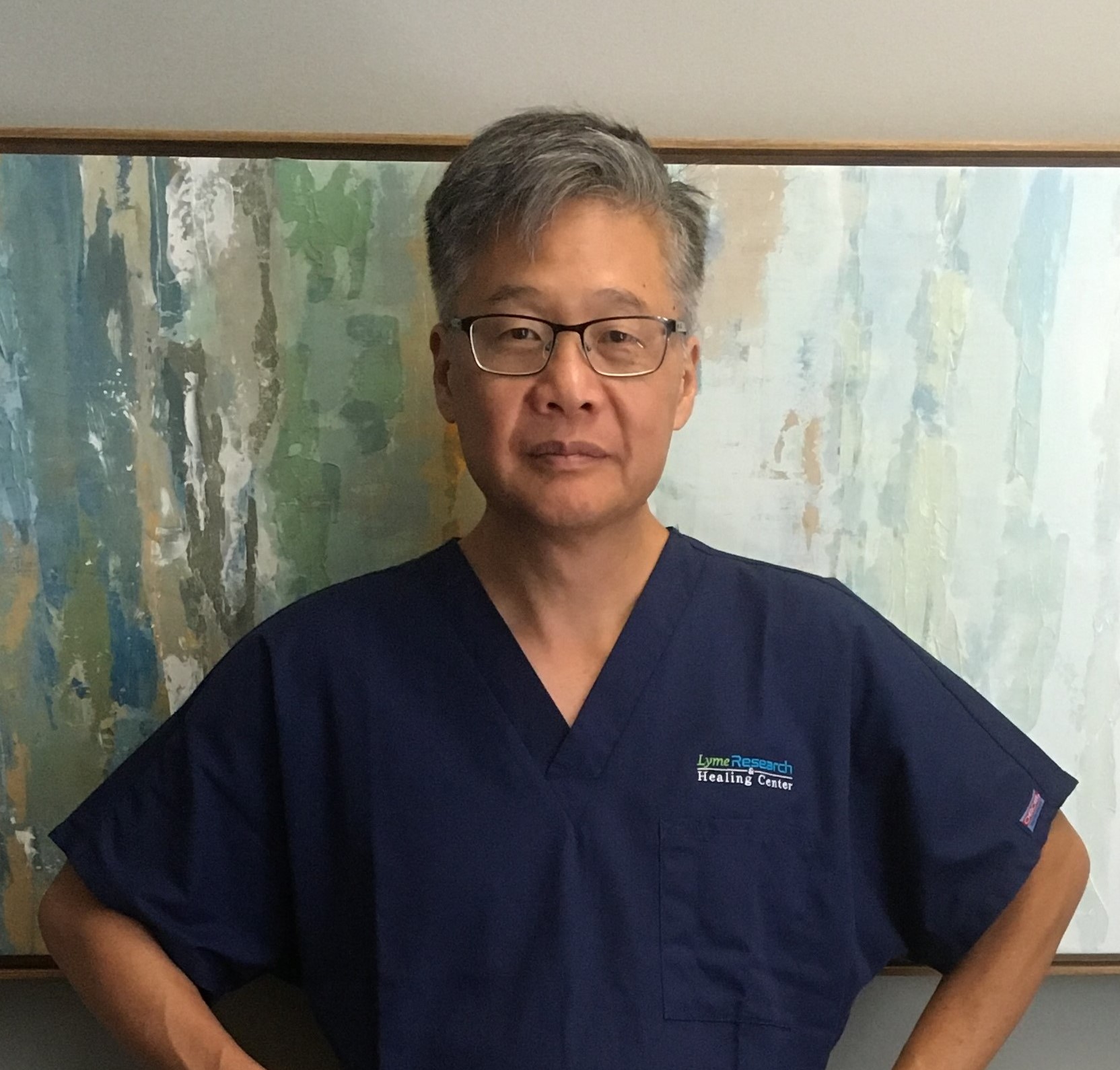
Greg Lee is the founder of the Lyme Research & Healing Center (formerly Two Frogs) in Frederick, Maryland, where he helps people with chronic Lyme disease, mold illness, gut issues, and autoimmune conditions using advanced medical scanning, Chinese medicine, and other non‑insurance‑based therapies. He transitioned into this work after a career as a NASA engineer and IT professional and a personal struggle with irritable bowel, brain fog, and other chronic symptoms that conventional medicine could not resolve.
He’s known in the Lyme community as a world expert on using Chinese herbs, microcurrent, bee venom, molecular hydrogen, and other unconventional tools to treat “mystery” illnesses that standard tests often miss. For your audience, he’s a bridge between “I’ve tried everything, nothing shows up on my labs” and a more investigative, root‑cause approach that doesn’t depend on insurance approval.