
Functional Medicine vs “There’s a Pill for That” (85)
I sit down with Dr. Kevin Smith, a chiropractor and functional medicine practitioner, to unpack what functional medicine really is and how it’s different from the quick “there’s a pill for that” approach. We dig into lab testing, supplement quality, and why chasing symptoms keeps so many of us stuck in chronic pain, fatigue, and those “everything looks normal” doctor visits.


This episode starts with a question I’ve been asking myself for a while: what if the real problem isn’t just your symptoms, but the way they’re being treated? I sit down with Dr. Kevin Smith, a chiropractor and functional medicine practitioner from the Pittsburgh area, to talk about what happens when you stop settling for “here’s a pill” and start digging into why your body is breaking down.
Dr. Smith walks me through how he went from treating back and neck pain to dealing with “weird, mysterious problems” that chiropractic alone couldn’t solve, which pushed him into clinical nutrition, functional blood chemistry, and deeper lab work. He explains, in very straightforward terms, the difference between allopathic care that manages symptoms and functional medicine that looks for hidden root causes behind high blood pressure, thyroid disease, gut issues, chronic fatigue, and more. We also talk about the reality of short primary care visits, the constant “come back later” cycle, and why managing is not the same as curing.
=== Time Stamps
- 00:33 What Is Functional Medicine, Really?
- 04:14 Are We Over‑Medicated as a Society?
- 05:01 Dr. Kevin Smith’s Path: From Chiropractic to Functional Medicine
- 08:19 Sorting Out Supplement Confusion (4 Levels of Quality)
- 11:47 “I Read This on the Internet” – Handling Health Misinformation
- 17:42 First Steps: Testing, Questionnaires, and Getting Off the Medication Treadmill
- 21:03 Does Functional Medicine Take Too Long?
- 23:49 Symptom Management vs Real Root‑Cause Solutions
- 28:35 Thyroid, Hashimoto’s, and Surprising Warning Signs
- 30:47 Food, Salt, Sugar, and the Modern Diet Problem
- 31:19 Free Metabolic Quiz and How to Work with Dr. Smith
- 33:27 Cheesesteaks, Primanti Bros, and a Little Pittsburgh Flavor
- 34:03 What Keeps Dr. Smith Excited After 25+ Years
- 36:09 Entrepreneurs, Energy, and Avoiding Burnout
- 38:13 Diet Styles, Sleep, and Exercise as You Age
- 40:26 Uncle Marv’s Own Wake‑Up Call and Why This Show Exists
- 41:15 Closing Thoughts, Next Steps, and Call to Share the Episode
=== Guest: Dr. Kevin Smith
- Website: https://www.metabolicsolutions.net
- LinkedIn: https://www.linkedin.com/in/kevinsmithdc
=== Mentioned on the Show
- Palmer College of Chiropractic: https://www.palmer.edu
- GNC: https://www.gnc.com
- Vitamin World: https://www.vitaminworld.com
- Primanti Brothers: https://www.primantibros.com
- Journal of the American Medical Association: https://jamanetwork.com
=== MUSIC LICENSE CERTIFICATE: Envato Elements Item
- Item Title: Healthy Eating
- Item URL: https://elements.envato.com/healthy-eating-VNN4M4P
- Author Username: CrazyTunes
- Licensee: Marvin Bee
- Registered Project Name: Unhealthy Podcast
- License Date: January 3rd, 2026
- Item License Code: XPFS6HD54W
=== About the Unhealthy Podcast
Hosted by Marvin Bee (Uncle Marv), the Unhealthy Podcast dives into real conversations about health, wellness, and everyday habits that impact how we live, work, and age. From nutrition myths to stress management and tech-life balance, Uncle Marv brings humor, insight, and honesty to every episode.
- Visit our website: https://www.unhealthypodcast.com/
- Connect on Facebook: https://www.facebook.com/iamunclemarv
- Connect on LinkedIn: https://www.linkedin.com/in/marvinbee/
Follow and Subscribe: Stay updated with new episodes every week on Apple Podcasts, Spotify, YouTube, and more. Join the conversation about real-life health, fitness, and personal growth from the lens of an everyday guy striving to be healthier.
(0:09 - 0:33)
Hello, friends, and welcome back to the Unhealthy Podcast, the show where we talk honestly about the ways our bodies are breaking down and what we can actually do about it. I'm your host, Uncle Marv. And today we are going to be chatting about one of those buzzwords or phrases, functional medicine.
(0:33 - 0:50)
And we're going to do it with somebody who's been in the trenches for more than two decades. Dr. Kevin Smith is a chiropractor and functional medicine practitioner who helps people with chronic pain, neuropathy and stubborn fatigue. That thing we always struggle with.
(0:50 - 1:36)
But he actually digs more into figuring out what's really going on under the hood instead of just making or masking symptoms with another prescriptions. Dr. Kevin, welcome to the show. Thank you, Marv.
Thank you for having me. It's a pleasure to be here today. All right.
So, of course, that phrase functional medicine, I've been introduced to that term a few years ago. And sometimes my listeners are like, OK, can you explain that one more time? And so every time I have somebody that comes on, I'm like, OK, tell me what functional medicine means in your words for the common folk. OK, so you have two broad classifications of health care that's available to people as consumers.
(1:36 - 2:05)
You have allopathic health care, which is the type of health care that most medical doctors follow. The purpose of allopathic health care is to chase after symptoms, usually in the form of a drug. So if you have high blood pressure or if you have low thyroid disease or if you have problems with your gut, they're going to prescribe a drug to help you with those type of symptoms.
(2:06 - 3:01)
Now, to contrast that, functional medicine is a personalized, patient centric approach to health care. Instead of chasing after symptoms, we ask the question, why? Why do you have high blood pressure? Why do you have low thyroid disease? What's going on with your body that's causing your gut to cause problems? So rather than chasing after symptoms, we're looking for the hidden root cause that's driving the process in the first place. That's not what medical doctors do.
They don't really fix you. They manage the problem or they manage the symptom. So as an example, if you have high blood pressure and you stop taking your drugs, even for a day, guess what's going to happen? Your blood pressure is going to go back up.
(3:01 - 3:19)
If you have gut problems, constipation or diarrhea, and you stop taking your drugs, it's going to start to rebound. You're going to start to have problems again. Whereas if you dig down below the surface and find out what's driving that problem, then we can put an end to it permanently.
(3:21 - 3:29)
So that is very simple. I understand it. Let's find a way to stop taking drugs just to kind of cover up symptoms.
(3:30 - 3:38)
Well, I'm not anti-drug. I'm not anti-physician. I believe that there's a time and a place for all healing.
(3:39 - 4:11)
No, that's true. I didn't mean to say like no drugs ever. I understand.
I'm just saying that as a people, we are over-medicating. Yes, that's what I was saying. And I recognize that some people need medication.
Some people need surgery. But I also believe that there's a time and a place for nutrition and for diet and exercise and all the basic things that we often overlook. And then we rely on medications to clean up the mess afterwards.
(4:11 - 4:14)
Right. Okay. Yeah, that's where I was kind of going to.
(4:14 - 5:01)
Yeah, we take way too much medicine and there's way too much. Is there a pill for that solution as opposed to finding out what's wrong? So another thing when I was first introduced to you and I was looking at your description, a lot of times we don't see chiropractor and functional medicine tied together. So which came first for you? Well, I'm a doctor of chiropractic.
That's my foundational degree. So I went to the Palmer College of Chiropractic starting in 1997 and I finished up there in 2001. And I moved back to Pittsburgh, my home state, to my home city, and I set up a practice.
(5:01 - 5:29)
And I was treating things that you normally associate going to a chiropractor for, such as back pain, neck pain, automobile accident, injuries, sports problems, headaches and migraines, stuff like that. But every once in a while, people would come in with some kind of a weird, mysterious problem that I couldn't figure out. And I couldn't fix it with the tools that I was given in chiropractic school.
(5:29 - 5:54)
And that led me to wonder, what is going on here? What can I do? So I started to take seminars and read books and just do whatever. And eventually, years later, I became a board-certified clinical nutritionist. And that led me to then go down another rabbit hole, which is to learn functional blood chemistry analysis and stool analysis and urinalysis.
(5:54 - 6:15)
And then I found that that collectively is called functional medicine, where you're using laboratory testing to figure out the hidden root causes of certain metabolic problems. And so I can reach into both camps. If the problem is a musculoskeletal problem, I can reach into the chiropractic camp.
(6:16 - 6:36)
And if it's a more metabolic issue, I can reach into the laboratory testing and diagnostic type of camp. So it depends on what the problem is. So even though my base degree is chiropractic, I have post-doctoral training in nutrition and laboratory analysis.
(6:36 - 6:45)
All right. So that's a lot of schooling there, right? Oh, boy, it is. And of course, it doesn't stop.
(6:45 - 7:01)
I mean, I do know that every time I talk to somebody, there's new studies that come out, new things that we learn. So I imagine that it's just that phrase continuing education is real. It is.
(7:01 - 7:17)
You know, when I first started to practice, I would tell patients to take fish oils to reduce inflammation. And they would take that information to the PCP. And the guy would say, oh, that's quack stuff.
(7:17 - 7:27)
Don't listen to him. He doesn't know what he's talking about. And now they're doing it, too, except they're taking credit for inventing fish oils themselves.
(7:27 - 7:42)
But things change over time. I've been at this for a quarter of a century already. And the attitudes change and the knowledge increases and more stuff comes out all the time.
(7:42 - 8:18)
And I try to do my best to stay on top of what's going on and stay on top of the cutting edge. You said something that kind of piqued my interest because if the doctors are saying things like fish oil is, you know, quacky and stuff, why is it that those are some of the most purchased items if you go into your Walgreens, your CVS, your Costco's? I mean, there's just rows of supplements and some of those alternatives that the doctors say, you know, stay away from. Well, there's a couple of things.
(8:19 - 8:47)
First of all, it all boils down to the attitude that the doctor has based on information that he got during his residency. If his residency happened 20 years ago, they don't teach that stuff. And the second thing is that as consumers, you are able to get access to four levels of supplementation in terms of quality and effectiveness.
(8:48 - 9:36)
Level one would be stuff that you can find at the dollar store or at Walmart or one of those big box stores like Sam's Club or Costco. There's a reason that you could buy a thousand fish oils for eight dollars because it's rented crap that's been sitting on the pallet for God knows how long. I'd say don't waste your money.
Don't waste your time. You want to only invest in something that's actually going to do a good job and work. Level two is what you could find at a pharmacy, CVS or Walgreens or even a local pharmacy in your grocery store.
(9:36 - 9:56)
Level three is what you can find at a dedicated supplement store like GNC or Vitamin World or stuff that you can find on Amazon.com. It's better formulated. It's made with better raw materials. It's going to absorb better in your body.
(9:56 - 10:18)
And level four is stuff that you can that's professional grade. That stuff is limited to only people that have you can only get it through like a licensed health care professional, like a doctor of chiropractic or a medical doctor or a doctor of physical therapy. The thing is about level four, it's backed by research.
(10:18 - 10:36)
It's backed by real human clinical trials. It's been independently tested to be pure and free from biological and heavy metal contaminants. And it's about the price the same as what you can find at GNC, but it works much, much better.
(10:36 - 10:56)
So I tell people only put level four stuff in your body. As an analogy, it's like a hamburger from McDonald's versus a filet mignon from Ruth's Chris Steakhouse. Technically, they're both meat, but that's where the similarities end.
(10:56 - 11:21)
Now, in this day of over information between Google and now, you know, the A.I., the large, large language models and stuff, a lot of us and I'll just I'll just be open about it. Me do a lot of research in looking up some of the supplements we've been told to take. And, you know, fish oil was something you talked about, but.
(11:23 - 11:45)
If I want to tell you the specifics, but there was there was one that I was taking that a fellow friend of mine was saying, oh, you got to try this. And, you know, and I've been taking it for years and I just read some information that, well, some of the side effects are this and that. And so now I'm being led another way.
(11:47 - 12:11)
How do you approach people that come to you and like, oh, I read this on the Internet? Well, there you can and there's all kinds of weird stuff that's published by the Internet on the Internet. It's usually by some guy that's trying to make a name for himself by bucking the system. You don't believe everything you read on the Internet.
(12:11 - 12:51)
When it comes to supplementation, you would go to a trusted health care practitioner, a functional medicine practitioner and ask them based on their experience, knowledge, education. What should I be taking in this situation? Just like you would do with a medical doctor asking them about medications. If you have a problem and you need to talk to the medical doctor to get his advice about which thyroid medication works, which ones are recommended for them, they would be particularly trained in pharmaceuticals.
(12:51 - 13:18)
Similarly, I'm trained in supplementation. And so I have accounts with most supplement companies and I've taken a long time to really dig in and uncover that. How do they compare? How do they compare as far as dosage, strengths, raw materials, all that kind of stuff? Most supplements don't have side effects.
(13:18 - 13:39)
Right now, some of them will, but most of the time they're pretty much safe to take, especially if it's like a water soluble vitamin. There's no limit to how much you can you can take. Once you reach a certain point, the body will just spill it over in the urine and get rid of it.
(13:39 - 14:01)
But if it's a if it's a fat soluble vitamin like vitamin D, you do have to be careful not to exceed a certain threshold or you could enter the world of toxicity. So what I tell people is my recommendations are based on your lab results. It's based on objective data from your labs.
(14:01 - 14:19)
So if your lab says that you're vitamin D deficient and you need vitamin D, well, there it is. You need vitamin D. Same thing with magnesium. I don't know if you've ever experienced this, but you can walk into a GNC and see this giant wall with this bewildering array of supplements.
(14:19 - 14:29)
You have no idea what to take. What you should do is you should be tested. You should get some blood tests and urinalysis, maybe even a stool test.
(14:29 - 15:07)
Find out what your body needs at that particular time. That's how you guide what you what you need and what's the best stuff for you. All right.
Well, yeah, I have walked into those stores and been approached by the gym guys and, you know, told to just, you know, max out on the protein and do all that stuff, which started me down. At least I would read the ingredients and then go and try to figure out which ingredients are supposed to be in here and which ones are not. And then trying to weed out stuff that way.
(15:07 - 15:18)
But you're right. Even us novices can't figure out everything from the Internet. And as much as I try to read the Journal of American Medicine, it's a lot for me.
(15:19 - 15:40)
I think that that reading as much as you can is a good thing. I never I never tell people not to explore, not to ask questions, not to question the presiding knowledge base what's out there. I would just say that there's a lot like in this.
(15:40 - 15:59)
You mentioned before there was a guy that wrote an article. I've seen that, too. And I've seen a lot of situations where somebody is just trying to buck the system and make a name for themselves by putting something that questions whether you should take like fish oils or multivitamins or something.
(16:01 - 16:32)
But ultimately, it's all dependent on what your body requires, and that is dependent upon lab testing and based on your complaints and what you're up against. If it's a if it's a problem caused by chronic inflammation, then you absolutely should be taking a high quality fish oil. But what's really important is that you take a fish oil that has been cleared to be free of mercury because ultimately it comes from fish.
(16:32 - 17:01)
And if the fish has been exposed to mercury, guess what? Guess what you could be putting into your body. So it's really, really important that you don't accidentally poison yourself with an inferior product. Well, one thing I've learned is not to listen to folks on the YouTube, even if they have doctor in front of their name and they're running a 20 minute infomercial just to tell you, buy this at the end.
(17:01 - 17:14)
That's a little frustrating. Yeah, it is frustrating. And it's frustrating for doctors, medical doctors, chiropractors, because they should understand the differences.
(17:15 - 17:41)
But a lot of a lot of times people don't really keep up with the scientific literature and the research or what's out there. And so if you're going to ask a question, make sure that it's going to come from a credible source, from somebody that really understands the differences. Now, for people that are listening who, you know, they heard your first piece of advice, go get tested.
(17:42 - 18:07)
One, we don't always know where to go get tested. So that would be a question. But then also in terms of what are some first steps that we can do if we're trying to get off of the more medication treadmill? So the first thing I'd say is to make sure that you are going to a functional medicine practitioner in your area or you can contact me or whatever.
(18:08 - 18:25)
And the first thing that I do is I gather some information about you and your background. I have you fill out some intake forms. And I also complete some questionnaires, a metabolic assessment questionnaire and a neurotransmitter assessment questionnaire.
(18:25 - 18:54)
These are not diagnostics. These are tools to help me to look for a place to get started. So the metabolic questionnaire would look at things like your thyroid, your gut, your liver and gallbladder, your blood sugar levels, your electrolytes and pH, your adrenal glands, sex hormones, all these different things.
(18:54 - 19:38)
And then what it will show me is that how bad are you dealing with symptoms associated with that body part? Or if it's your neurotransmitter questionnaire, that's going to look at your brain and your central nervous system. How are you? How are you coping with stress? How's your memory? Do you have any deficiencies causing problems with your neurotransmitters, which are chemicals that regulate your mood, your cognition, memory, your ability to learn, stuff like that. And then from there, I would create a summary sheet that tells me what is going on so far with your questionnaires.
(19:38 - 19:50)
I'll give you an action plan and I'll give you a place to get started. After that, then we would do some foundational lab testing. The foundational lab testing could involve blood and urine.
(19:50 - 20:06)
And it doesn't answer every question under the sun, but it's a great place to get started. And from there, it gives me an understanding about how severe your problem really is. And there are other tests.
(20:07 - 20:39)
There's no one that can give you 100% of every answer ever. So that's why we have tests for stool, saliva, urine, blood, all these different types of markers, checking your hormones, checking your thyroid levels, checking your micronutrients like vitamins and minerals. All these things can be explored and we can find out if they are a contributing factor to the problem or not.
(20:39 - 20:51)
And it's a journey. Everybody's a little bit different. Everybody brings with them a different symptom, a different story, different genetics.
(20:51 - 21:02)
And so there's no one size fits all. It has to be a unique and individual thing. Yeah, I was going to ask you a deeper question on the individual thing.
(21:03 - 21:36)
But before that, I know that a lot of times people think, well, functional medicine takes too long because you got to do all these tests and it's not something you can find out right away. But I imagine that there's a lot of things that you can find out fairly quickly because, listen, a lot of us put up with pain for years. So if it takes a couple of weeks to figure something out, that should be worth it, right? I was about to say it takes too long compared to what? I mean, people are so used to a superficial, glossy overview.
(21:37 - 21:57)
When somebody wants to really dig down and figure out the hidden root cause of what's causing your problem, they are really bewildered by, oh, my God, this guy's actually taking his time to talk to me and to figure out what's causing this problem. That's so alien to so many people. They're so used to the PCP.
(21:58 - 22:21)
And believe it or not, PCPs work with about 12 drugs. And if what you have can be corrected by those 12 drugs, so much the better. If they can't, they're going to refer you to their golf buddy down the street that works with another 12 drugs and so on and so on and so on.
(22:22 - 22:53)
And by the way, when you go to a primary care physician, the national average statistics says that they're going to spend about seven minutes of face-to-face time with you. The rest of the time is going to be spent with a medical assistant who is some kid that has a very limited amount of education. And he's going to be reviewing with you any changes, any new complaints, and he's going to take your weight and your height and your pulse ox.
(22:53 - 23:06)
And then the doctor comes in, usually with a laptop computer that he's going to be pecking away on. He's going to palpate your body a little bit. He's going to take your blood pressure and then bill it to insurance and shoo you away.
(23:07 - 23:18)
And that's the state of health care that most people experience. That's not functional medicine. Functional medicine, we're going to spend about an hour or two with you on every visit.
(23:19 - 23:48)
So because we want to find out what the root cause of the problem is, not just like a one-size-fits-all approach. Now, trying to go outside of that PCP model and the way that I understand it is, like you said, if everything can be solved within that little bubble, good. Which is probably the 80 percent of what we have can be solved by that.
(23:49 - 24:23)
But for the others, that can't be. We've got to go find another solution. Can you describe a situation where maybe somebody came to you and initially it looked like the same symptom, but because you do the individualized research and testing and stuff, they turned out to be completely different causes? Well, I would say that most of the time when people go to see their medical doctor, the doctor is going to manage their problem.
(24:23 - 24:31)
He's not going to fix it. Medical doctors don't fix or cure anything. They manage problems.
(24:31 - 24:58)
And like I mentioned before, you stop taking your drugs for a day or two, watch the symptoms creep back up. Now, there's one exception that I've ever experienced, and that is if you have a bacterial infection and the doctor uses antibiotics to clear out a bacterial infection, that is an example of a cure. But masking symptoms is not the same as a cure.
(24:59 - 25:15)
Masking symptoms amounts to managing the problem, not curing the problem. So that's a very, very important distinction that your listeners need to understand. When they go see a medical doctor, they're not there to cure you.
(25:15 - 25:38)
They are there to manage the situation. Chronic conditions are things that you've had for a while, maybe more than six months. Examples of chronic conditions would be diabetes or autoimmune disease or COPD or some kind of autoimmune problem like rheumatoid arthritis.
(25:39 - 26:04)
The medical doctors that are in the United States are absolutely brilliant at correcting or treating acute problems. Acute problems are new. Acute problems would be like a heart attack, a stroke, a gunshot wound, a broken bone, lacerations, a breakout with your skin, things like that.
(26:04 - 26:30)
But they do not have a good track record when it comes to treating chronic problems, chronic problems like cancer or diabetes or heart disease. They have a very poor track record at correcting those problems. For the reasons that I outlined before, because they're not actually curing it, they are masking it, giving you a glossy overview.
(26:30 - 26:48)
So when you have a chronic condition, medical doctors are not the place to go for that. That would be in the domain of a functional medicine practitioner. That would be able to help you uncover the root cause of what's driving your problem.
(26:48 - 27:01)
Let's say it's high blood pressure. Why do you have high blood pressure? Does the medical doctor even ask that question? Why? You could have high stress. You could have obesity.
(27:01 - 27:13)
You could be eating certain foods that are triggering your blood pressure to get really high from an allergen. There could be a chemical sensitivity. There could be anemia patterns.
(27:13 - 27:24)
There could be cortisol issues. There could be gut problems or unresolved bacterial infection. So it could be coming from anywhere.
(27:25 - 27:53)
And so you really need to dig down to uncover what is driving that particular problem. That could be true for thyroid disease. That could be true for people that suffer with chronic fatigue or just diarrhea and constipation or skin problems or their hair falling out in clumps or cracked or weak nail beds in their hands and their feet.
(27:54 - 28:12)
People that lose the outer one-third of the eyebrows. What is the reason why that's occurring? And we need to help people that have those problems more so than just glossing over with symptoms. We've got to figure out the root cause of it.
(28:13 - 28:35)
Okay, you just brought something up that made me think. I would have never known that losing part of an eyebrow was a medical condition because we have so many people where eyebrows are shaved or trimmed. Well, if it's not intentional, if it's just falling out, that's a classic sign of a thyroid issue.
(28:35 - 28:58)
So the thyroid gland creates hormone T3 and T4. And they control your connective tissues, your hair, your nails, all that kind of stuff. And so people that have thyroid disease, they lose their hair in clumps, especially if it's a female.
(28:59 - 29:36)
Losing their hair is very traumatic because they take a lot of pride in their appearance. And then when their nails and their hands or their toes or both are weak and cracked and failing or they lose the outer one third of the eyebrow, if their skin is too oily or too dry, those are telltale signs of hypothyroidism. In the United States, the majority of people that have hypothyroidism have a disease called Hashimoto's disease.
(29:37 - 29:58)
Hashimoto's is an autoimmune condition where your white blood cells of your body attack and destroy your thyroid gland. Outside of the United States, the number one reason for this is iodine deficiency. We don't have that problem as Americans because we put salt on everything.
(29:59 - 30:10)
And iodized salt is in all of prepared foods. It's in all the fast foods. It's in literally everything that we want to eat, like soups, everything.
(30:10 - 30:21)
It has a ton of iodine. So in the United States, the reason is Hashimoto's. It's something that's never tested for and it's hardly ever diagnosed properly.
(30:25 - 30:38)
Super popular in our country. Well, we put salt and fat and sugar. We put sweeps and everything.
(30:39 - 30:46)
The high fructose corn syrup. Absolutely. So it's come back to cause all kinds of health issues.
(30:47 - 30:57)
But the food industry, they don't care about your health. They only care about their profits. I want to make sure that I properly direct people to you.
(30:57 - 31:19)
Of course, your links will be in the show notes. People can find you there, your website, chronicpa.com. Well, that's actually the chiropractic site. The metabolic site is metabolicsolutions.net. So if they go to metabolicsolutions.net, that would be directed towards the functional medicine aspect of what I do.
(31:19 - 31:48)
And for people, your listeners that want to do this, they can go to that site and they can take a free metabolic quiz. This free metabolic quiz takes about two minutes to do and it will give you great insight about how severe that your problem is and what to do about it. So if you have a mild issue, not that big of a deal, it'll direct you to a couple of websites where you can look at social media links and stuff like that.
(31:48 - 32:14)
If you have a medium amount of problem, it'll direct you to, I can send you some links from my email list. And if you have a severe problem or you have a problem that's really interfering with your life and you want to make a change, we can set up a call or you can even email me and ask me a question. And then we have a contact form on the website.
(32:14 - 32:36)
But that quiz and that website is accessed at metabolicsolutions.net. Don't go to .com, that's a different website. Metabolicsolutions.net would be the place to go to access that quiz. That would be the first step to getting you better.
(32:36 - 32:48)
Yep, I've got that here. I was going to mention that and you just simply go to the About Us and then Free Health Quiz is right there. And it takes about two minutes, you said, right? Yes.
(32:49 - 33:03)
Okay. So I'm going to let people go there, check them out. And I'm at the Philly Cheese Steak, which I had for the first time this last fall.
(33:05 - 33:26)
Approved by 9 out of 10 cardiologists everywhere. But you're on the other side of the state, right? You're in Pittsburgh, you said? Yes, yes. The sandwich that we have is called a Primanti Brothers sandwich where they put the french fries and the coleslaw on your sandwich.
(33:27 - 33:37)
So as weird as it sounds, it kind of works. How thick is that? Whether or not it's good for you, that's a different story. How thick is that? That's got to be pretty thick.
(33:38 - 33:49)
You're correct. Okay. So let me see if I've got a good question here to end off the show here.
(33:50 - 34:03)
Well, let me ask you this. So you've talked about being at this for over 25 years. You started off doing the chiropractic work, realized you've got to do more, and you got more schooling, did the functional medicine.
(34:03 - 34:21)
What is it about what you're doing now that still excites you? Because I'll be honest, a lot of doctors, after 20, 30 years, they're kind of worn down, ready to get out, move on, time to golf. But you don't fit that mold. Except for the golfing part.
(34:22 - 34:27)
I love to go. Okay, there you go. I'm terrible at it, but I still love it.
(34:27 - 34:53)
But just making a change in somebody and helping them to have a better quality of life and remove any kind of roadblocks to that, that's very, very rewarding to help people. A lot of people need a different approach to health care. They've already tried the drugs.
(34:54 - 35:22)
They've already been to the medical doctors, and they're not happy with where they're at. So my attitude is, okay, look, if you've already tried that, now it's time to try something different. Try functional medicine to figure out what is holding them back, what's causing this misery, causing these problems.
(35:24 - 35:42)
And I think that by trying this, you're giving yourself the best approach to resolving these problems. My solutions for this is non-drug and non-surgical. We use natural things.
(35:42 - 36:08)
We focus on diet, nutrition, hydration, making sure you're getting enough sleep, making sure you're exercising, making sure you're maintaining your joints and your posture from chiropractic care, and maintaining your stress levels. And when you do those types of things, they can have profound effects on you as a person and profound effects on your health. Yeah.
(36:09 - 36:29)
I know we talked about pain, chronic pain, and some of that stuff. I read that you also work with entrepreneurs and busy professionals and stuff, and a big part of what you do with them is just help them get their energy levels back up. Did I read that correctly? I do.
(36:30 - 36:43)
Entrepreneurs are people that would happily work for 80 hours a week so they don't have to work for somebody else only 40 hours a week. By the way, that was a joke. You're talking to one.
(36:45 - 36:53)
You get it. But you've got to be on your A game. You have to have plenty of energy for work and for play.
(36:54 - 37:29)
And if you're fatigued, if you're run down all the time, you need to figure out what's going on, what's zapping your energy so that you can get back on top of it and serve other people. Are there those of us that are entrepreneurs and doing that 70, 80 hours a week that if we would just simply listen to one or two things would get us on the right path? Yes. At the corner of your game plan needs to be clinical nutrition.
(37:30 - 37:47)
So there's no one-size-fits-all here, too. So if you're a diabetic, you are better off on a ketogenic diet or a carnivore diet. If you are not a diabetic, the Mediterranean diet may be a good fit for you or an autoimmune paleo diet.
(37:47 - 38:13)
But what's really important is that you are getting this information from a reliable source, and they're going to be testing you to figure out what you need. There's no one diet that's perfect for everybody. So let's figure out what you operate, which your body operates the best on this particular diet, and then go out from there.
(38:13 - 38:39)
But things like proper hydration, proper sleep, it's kind of beyond the scope of this podcast to talk about any one of those topics in a lot of detail. But I'll just say that if you have sleep apnea or if you're not getting enough sleep every night, you're setting yourself up for a heart attack or a stroke down the road. The literature is very, very clear on this.
(38:39 - 38:54)
That's why they do so many sleep studies to figure out what can I do to prevent this from happening in the first place. And the simple solution is sleep more to start with. So I'll take that as something to mark down for myself.
(38:54 - 39:23)
I mean, entrepreneurs, their heads are spinning constantly, like what can I do to make payroll and to market and to do what I've got to do. Sometimes they put themselves last, their own health, and then something catastrophic happens, and then we have to rely on pharmaceuticals to clean up the mess afterwards. These are simple things that we talked about in here, maintaining your stress.
(39:24 - 39:36)
That could come from meditation. It could come from journaling, or it could come from guided imagery or any number of techniques out there. But it's very, very important not to be overlooked.
(39:37 - 39:57)
Are you getting enough exercise? Are you getting exercise for your age group? I'll be 58 soon. A 58-year-old cannot do the same level of exercise that a 22-year-old can do. They just can't.
(39:58 - 40:26)
They're going to recover different, and they're going to be better off using a different type of a strategy. So maintaining your exercise habits, maintaining dietary, maintaining levels of hydration, all of that is things that you can do right now without your doctor to make some improvements. Well, Dr. Kevin, you mentioned a lot of stuff that I myself went through.
(40:26 - 40:56)
I actually was approaching my 50 and playing basketball against somebody half my age and said, yeah, this doesn't work like it used to. He smoked you, huh? Not as bad as you would think, but it was enough for me to say it's time. But yeah, everything you said is part of the reason that I started this show was to start talking to people and figuring out the right things to do to get myself back on track.
(40:56 - 41:10)
And yeah, no more gym for me, no more long runs and trying to push my body because the wrong tactic. I can do some things simpler and better. So thank you very much for sharing.
(41:11 - 41:15)
Well, thank you very much for having me, Marv. It was a pleasure to be on your show. All right.
(41:15 - 41:40)
There you go, folks. Dr. Kevin Smith, his contact information in the show notes and the website, metabolitesolutions.net. Remember the net, especially if you're paying attention to March Madness. So there we have a little chat about what functional medicine really is and to do deeper testing to uncover the issues to get to the root of everything.
(41:41 - 42:03)
If you want to learn more, check them out in the show notes. And if this conversation hit home at all, do me a favor and share this episode with somebody who is always tired or always in pain or always being told everything looks normal. Subscribe and follow The Unhealthy Podcast so you don't miss future episodes.
(42:03 - 42:11)
Thank you for listening. I'm Uncle Marv, and I will catch you next time. But until then, live healthy and be happy.
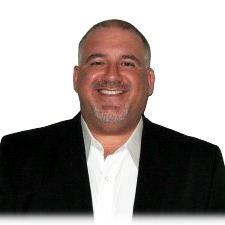
Dr. Kevin Smith is a chiropractor and functional medicine practitioner based in the Pittsburgh area who helps people with chronic pain, neuropathy, stubborn fatigue, thyroid issues, digestive problems, and other complex metabolic conditions. He started in chiropractic care after graduating from Palmer College of Chiropractic in 2001 and later completed extensive post‑doctoral training in clinical nutrition and functional lab analysis. Through his Metabolic Solutions and Chronic Conditions Center practices, he uses detailed questionnaires, targeted blood, urine, stool, and saliva testing, and individualized nutrition and lifestyle plans to uncover and address root causes instead of just managing symptoms.


